


· By FryAway
Best Way to Dispose of Frying Oil Made Easy
When you’re done with a big fry-up, the last thing you want is a messy cleanup. But what’s the best way to get rid of all that used oil? The simplest and safest method is to solidify it. Products like FryAway make this a breeze, turning hot liquid oil into a solid, organic block you can toss right into your household trash. This way, you avoid clogged pipes and keep things eco-friendly.
Why You Can’t Just Pour Oil Down the Drain
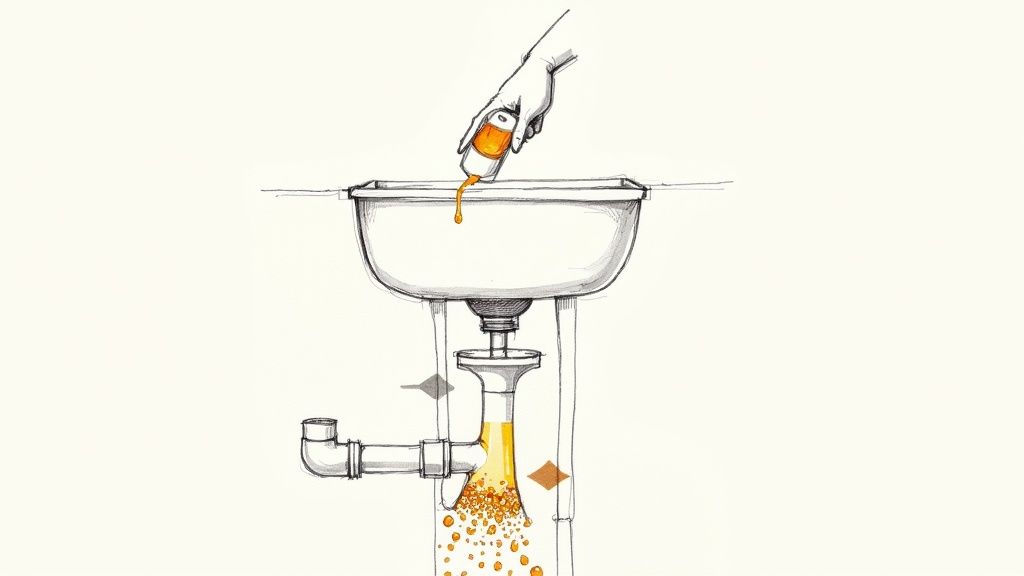
It’s tempting, isn’t it? The meal is over, the dishes are piling up, and that pan of used cooking oil looks like it could just wash away down the sink. It seems like the fastest way to deal with it, but this one simple mistake can cause a world of trouble for your plumbing and the local sewer system.
When you pour hot oil down the drain, it doesn't stay liquid. As it travels deeper into your pipes, it cools down and solidifies, creating a greasy coating on the inside walls. Over time, this sticky mess traps food scraps and other debris, leading to stubborn clogs that are a nightmare—and often expensive—to fix.
You might think running hot water will wash it all away, but that only pushes the grease further down the line, where it eventually cools and hardens anyway. If you want to dive deeper into this common kitchen mistake, check out our guide on why you should never pour cold oil down the sink.
The Problem of Fatbergs
This issue goes way beyond your kitchen sink. When oil from thousands of homes enters the municipal sewer system, it mixes with wet wipes and other non-flushable items to form massive blockages called “fatbergs.” These solid masses can grow to weigh several tons, completely obstructing sewer lines and causing raw sewage to back up into streets and homes.
The consequences of improper oil disposal are so significant that they've created a global focus on better solutions. In fact, the used cooking oil market has exploded, valued at USD 7.84 billion this year and projected to hit USD 8.19 billion next year. This growth shows just how important—and even profitable—proper recycling and disposal have become.
Pouring oil down the drain is never a solution. It simply moves the problem out of sight, creating a ticking time bomb for your plumbing and the public infrastructure.
We’ve seen too many people learn this lesson the hard way. To help you avoid a plumbing disaster, we put together a quick rundown of the most common disposal mistakes and what they can lead to.
Common Oil Disposal Mistakes and Their Consequences
This table breaks down why these seemingly easy shortcuts can end up costing you big time.
| Incorrect Method | Why It's a Bad Idea | Potential Outcome |
|---|---|---|
| Pouring It Down the Sink | The oil cools, solidifies, and sticks to pipe walls, trapping other debris. | Severe clogs, burst pipes, and expensive plumbing repairs. |
| Flushing It Down the Toilet | It creates the same plumbing issues as the sink but on a larger scale. | Fatbergs in the sewer system, leading to city-wide backups. |
| Dumping It in the Yard | The oil can harm plants, contaminate the soil, and pollute local water sources. | Attracts rodents and pests, damages your garden, and harms wildlife. |
| Putting It in Compost | Large amounts of oil disrupt the composting process and attract unwanted pests. | A smelly, imbalanced compost pile that fails to break down properly. |
Seeing the potential damage makes it clear why finding a safe, effective disposal method is so important. Solidifying the oil is hands-down the cleanest and most responsible way to handle it.
The Easiest No-Mess Oil Disposal Method
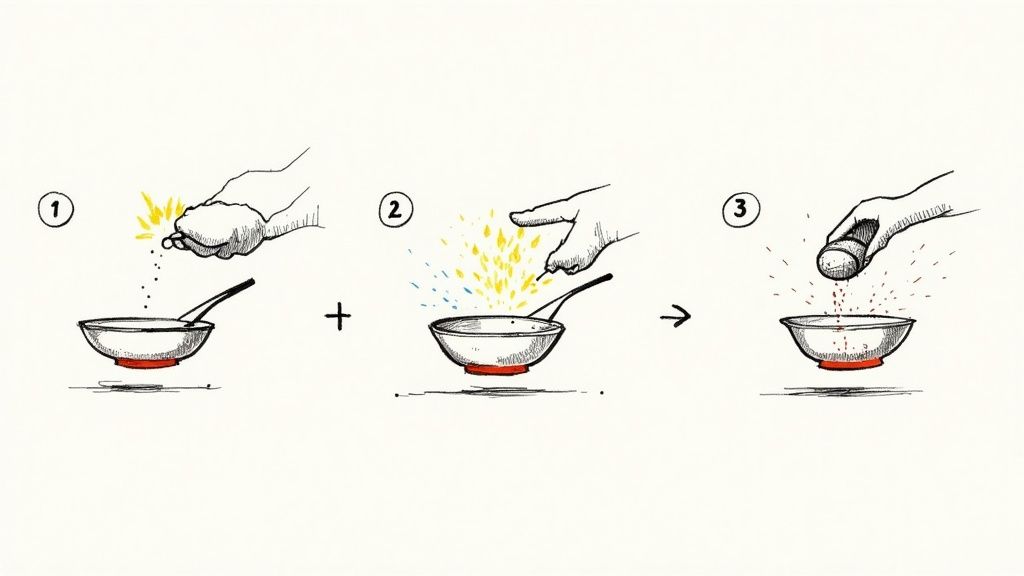
Imagine you just finished frying up a batch of perfectly crispy chicken. The meal was fantastic, but now you're left staring at a pan full of hot, greasy oil. Instead of dreading the messy cleanup—pouring it into a jar, worrying about spills—what if you could just turn that liquid into a solid puck you can toss right in the trash?
That's exactly what FryAway does. It’s a game-changing, 100% plant-based powder that makes getting rid of used cooking oil completely effortless. It works like magic, transforming hot liquid oil into solid organic waste in minutes. No more leaky containers, no more clogged pipes.
How to Use FryAway in Three Simple Steps
The beauty of this method is its sheer simplicity. You can forget about storing greasy jars under the sink or making that precarious trip to the garbage can with a sloshing container of oil. The entire process is clean, quick, and surprisingly effective.
Here’s the simple breakdown:
- Sprinkle and Stir: While the oil is still hot, just sprinkle the FryAway powder right into the pan. Give it a quick stir to make sure it's mixed in well.
- Cool Down: Now, just walk away and let it work. As the oil cools, the powder gets to work, solidifying the entire mixture. You’ll watch it go from a liquid to a solid, easy-to-handle puck.
- Toss into Household Trash: Once it’s completely cool and hard, you can easily scoop the solidified oil out of your pan and throw it directly into your trash bin. No drips, no mess, no stress.
With this method, you skip the entire process of pouring, storing, and potentially spilling used oil. It's a clean-hands approach that makes frying at home more enjoyable because the cleanup is no longer a chore.
Why Solidifying Oil Is a Superior Approach
Using an oil solidifier like FryAway isn’t just about convenience; it’s a more responsible way to handle kitchen waste. Because the powder is plant-based, you’re not adding any harsh chemicals to the trash. It’s a clean solution for your kitchen and a kinder choice for the planet.
Think about the aftermath of making homemade french fries. Instead of pouring that leftover vegetable oil into a container and figuring out where to keep it, you can solidify it right on the spot. It truly simplifies the post-frying cleanup, so you can focus on enjoying the food you just made.
You can learn more about how to solidify cooking oil with our detailed guide and see for yourself just how easy it is.
How to Recycle Your Used Cooking Oil
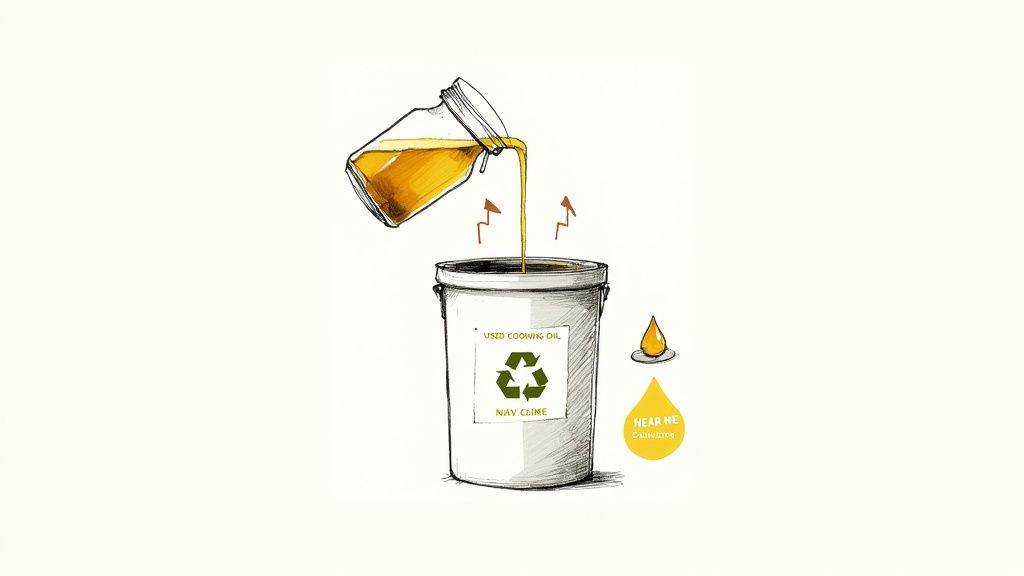
If you’re looking to take your eco-friendly kitchen habits to the next level, recycling used cooking oil is a fantastic option. Instead of just getting rid of it, you can give your leftover oil a second life as something incredibly valuable: biodiesel. This process turns what was once simple kitchen waste into a cleaner-burning fuel.
While recycling cooking oil at home isn't quite as common as tossing bottles and cans in the bin, it's definitely gaining traction. More and more communities are recognizing the environmental perks, and finding a local collection center might be easier than you think. Your journey to becoming an oil-recycling pro starts with a quick online search.
Finding a Local Collection Center
To find a drop-off point, just search for terms like "used cooking oil recycling near me" or "household hazardous waste disposal." The results might surprise you. Many local waste management services, municipal recycling centers, and even some fire departments have started offering collection programs for residents.
Of course, availability can vary a lot depending on where you live. Some areas have great programs with plenty of convenient locations, while others might not have a residential option at all. For commercial kitchens or households that go through a lot of oil, it’s often collected in specific containers, like 55-gallon barrels.
Key Takeaway: Recycling oil is one of the most sustainable disposal methods out there. It directly contributes to creating renewable energy while taking the pressure off our landfills and sewer systems.
This isn’t just a local trend; it's a global movement. The Asia Pacific region, for example, has become a major player in cooking oil recycling. Its used cooking oil market is expected to hit a value of USD 2.16 billion next year, driven by a growing food industry and supportive government policies. It’s a powerful reminder of how important it is to find sustainable solutions right in our own kitchens.
Preparing Your Oil for Recycling
Before you can drop your oil off, you need to prep it properly. It's pretty straightforward.
Here’s what you need to do:
- Let it cool completely. This is a non-negotiable safety step. Never try to transport hot oil.
- Filter out the food bits. Pour the oil through a fine-mesh sieve or some cheesecloth to get rid of any leftover crumbs and gunk.
- Store it in a sealed container. A sturdy, non-breakable container with a secure lid is perfect. The original oil bottle or a plastic jug works great.
Recycling is an amazing goal, but it isn't always the most practical choice for everyday home cooking. For a cleaner, faster, and more convenient solution, we always recommend FryAway. The simple three-step process of "Sprinkle and Stir, Cool Down, and Toss into household trash" eliminates the need for storing and transporting oil altogether.
For a closer look at all the different ways you can handle used oil, check out our article on the most eco-friendly cooking oil disposal technique. Knowing all your options helps you pick the method that actually fits your life.
Safe Traditional Ways to Handle Used Oil
Before innovative products like FryAway made getting rid of oil a breeze, every home cook knew the classic drill: cool it, contain it, and toss it in the trash. This old-school approach is still a go-to for many, and when you do it right, it's a perfectly safe way to handle the leftover oil from pan-frying fish or chicken.
The absolute most important part of this process is patience. You have to let that oil cool down completely. Trying to handle hot oil is just asking for a nasty burn, and pouring it into a container while it's still warm can melt plastic, leaving you with a dangerous, greasy disaster. For more on keeping your kitchen safe, especially with waste, you can find great tips in various restaurant safety guides.
Choosing the Right Container
Once the oil has reached room temperature, you need to find a good, sturdy home for it. The best choice is a non-recyclable container with a lid you can seal up tight to stop any leaks in your garbage can.
You probably have a few of these around the house already:
- An old coffee can with a plastic lid
- A solid takeout container with a secure top
- The original oil bottle, if you can get the used oil back in without a mess
- Any glass jar with a screw-on lid
Whatever you do, don't use flimsy plastic bags. They can rip way too easily and create a mess you don't want to deal with. The main goal is to lock that liquid in so it doesn't spill on its way to the curb.
Pro Tip: Chilling or freezing the oil right in its container is a fantastic extra step. It solidifies the fat, which makes it far less likely to leak out, even if the container gets banged around a bit.
The Downsides of the Old-School Method
While this method certainly works, let’s be honest—it’s not without its headaches. You have to remember to save the right kind of containers, and they can end up cluttering your counter or pantry space. Plus, there’s always that small risk of a spill when you're trying to pour the oil from the pan.
Storing a sealed, greasy container of used oil can just feel a little… gross. It’s exactly why so many people are looking for a cleaner, more modern solution like FryAway. These traditional steps are a solid backup plan, but they really highlight just how convenient today's alternatives are for getting rid of the mess entirely.
Fried Recipes You Can Now Make Worry-Free
Knowing you have a simple, no-mess way to get rid of used cooking oil can totally change your kitchen game. All of a sudden, those delicious fried recipes that felt like too much trouble are back on the table. With FryAway, it's time to bring back the joy of frying, without dreading the cleanup.
Picture this: pulling a batch of perfectly golden, crispy fried chicken from the pan. Or maybe you're serving up a platter of homemade french fries, impossibly fluffy on the inside and crunchy on the outside. These are the meals that make memories, but let's be honest—the thought of dealing with that pan of leftover oil is often enough to make us skip them altogether.
Perfect Crispy Fried Chicken
For that classic, Southern-style fried chicken, you'll need a good amount of peanut or canola oil heated up in a deep skillet. The real secret? A double-dredge in seasoned flour, which is what creates that irresistible, crunchy crust. Frying in batches is key to making sure every single piece cooks evenly until it hits that perfect deep golden brown.
Once you’re done and the chicken is resting, the cleanup is practically already handled. Just remember the simple process for that leftover oil:
- Sprinkle and Stir: Add FryAway powder right into the hot oil and give it a quick mix.
- Cool Down: Let the pan sit until the oil mixture completely cools and turns into a solid block.
- Toss into household trash: Scoop the hardened oil out and drop it straight into your garbage can. No fuss, no mess.
Delicious Homemade French Fries
Making fries from scratch is one of those simple things that is just so rewarding. After you've cut your potatoes, the trick is a double-fry method in vegetable oil. The first fry at a lower temperature cooks them through, and the second fry at a higher temp gets them perfectly crisp. The result is miles better than anything you'll find in a freezer bag.
After you've devoured every last fry, that pan of oil is no longer a chore. The best way to dispose of frying oil is also the easiest with the simple "Sprinkle and Stir, Cool Down, Toss into household trash" routine from FryAway. It gets your kitchen clean in minutes, so you can get back to what matters—enjoying your meal, completely worry-free.
Common Questions About Disposing Frying Oil
Even when you know the ropes of oil disposal, a few questions always seem to pop up during cleanup. Having quick, clear answers makes it easier to handle used cooking oil the right way every time you fry.
This little visual can help you decide what's for dinner—crispy chicken or perfect french fries? With cleanup this easy, you can't go wrong.

Can You Reuse Frying Oil Before Disposing of It?
Absolutely. In most cases, you can get two or three uses out of your frying oil, especially if you take a moment to filter out any stray food particles between sessions.
But watch for the warning signs. If the oil starts to look dark and murky, smells funky, or begins smoking at a much lower temperature than usual, its time is up. That’s your cue to toss it with FryAway.
Also, remember that what you fry matters. After a batch of fried chicken in peanut oil, you could probably use it again for something similar. But you definitely wouldn’t want to use that same oil to fry up some delicate donuts later.
What Is the Best Way to Dispose of Frying Oil at Home?
Hands down, the best way to dispose of frying oil at home is to solidify it first. It completely changes the game.
Using a product like FryAway makes this ridiculously easy. You're not messing with greasy jars or worrying about leaky trash bags. The process is pretty much foolproof:
- Sprinkle and Stir the powder right into the hot oil.
- Cool Down and just let it sit until it hardens into a solid puck.
- Toss the whole thing straight into your household trash. Done.
This method is clean, safe, and way better for the environment. It turns what used to be a dreaded kitchen chore into a simple final step. No more hassle.
And it’s a bigger deal than you might think. The cooking oil recycling industry is a major player in the U.S. economy, with 86 businesses pulling in around USD 2.1 billion in revenue this year. More than half of that comes from turning used cooking oil into biofuel. You can dig into more stats on the cooking oil recycling industry on IBISWorld.com.
Ready to make frying cleanup a total breeze? Try FryAway and see how simple it is to solidify and toss your used oil. Head over to https://fryaway.co to get started.