


· By FryAway
Baking Swaps Using Applesauce Instead of Oil
Using applesauce instead of oil is one of my favorite tricks for healthier baking. It’s a fantastic way to cut down on fat and calories while adding a surprising amount of moisture to your favorite recipes. Our detailed guide to using an applesauce substitute for oil explains how the swap affects ingredient ratios, sweetness, moisture, flavor, and the final texture of different baked goods. The go-to rule is a simple 1:1 ratio—if your recipe calls for one cup of oil, just swap in one cup of unsweetened applesauce.
This simple exchange works like a charm, especially in denser treats like muffins, quick breads, and those delightfully fudgy brownies.
Your Guide to Healthier Baking with Applesauce
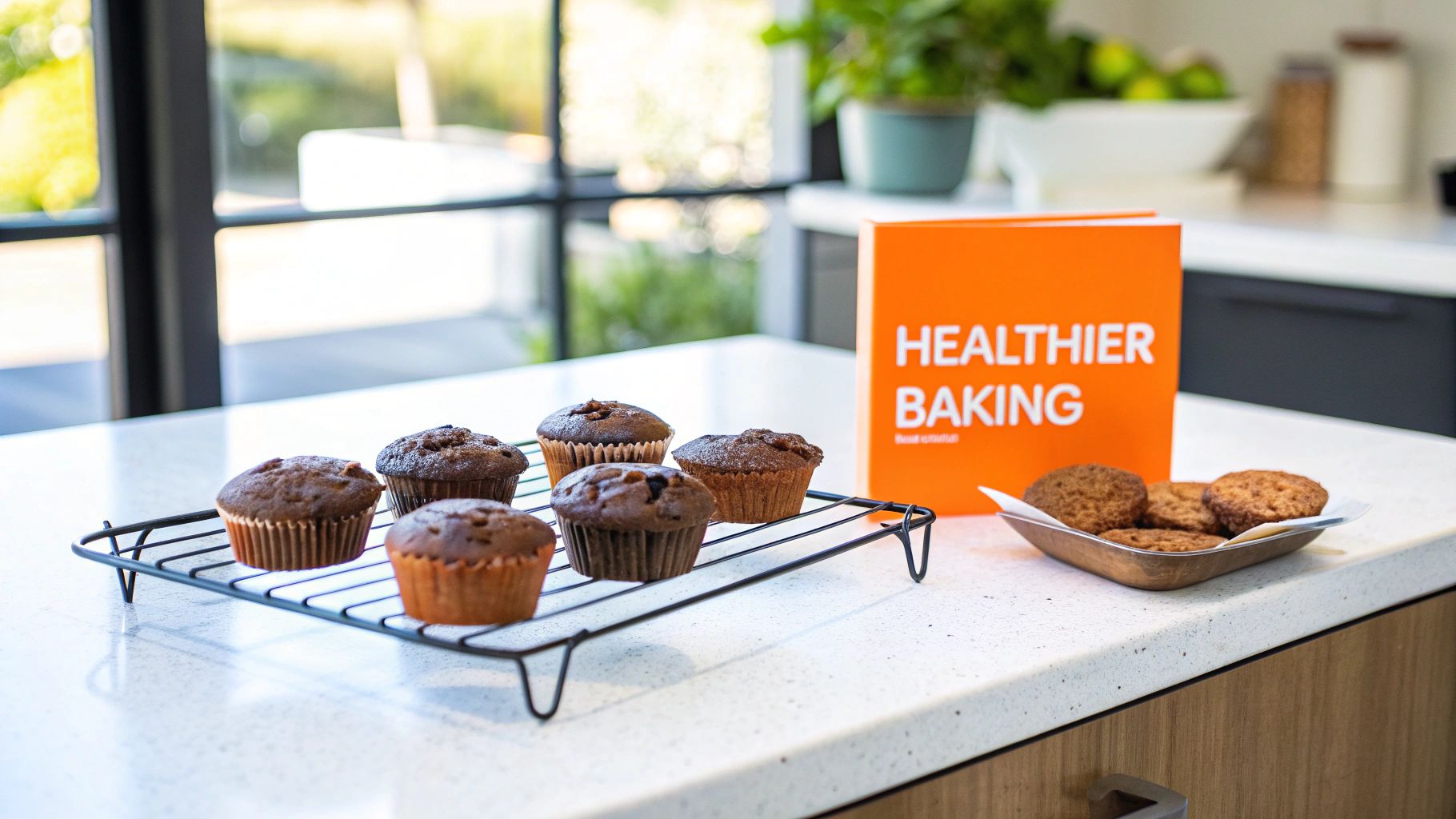
Switching from oil to applesauce is more than just a quick substitute; it's a smart baking move that doesn't force you to sacrifice flavor or texture. The real magic comes from the pectin in the applesauce, which acts as a natural binder and provides the structure and moisture that fat usually does.
This isn’t just a niche trick anymore. As home bakers become more health-conscious, especially in North America, this swap is gaining serious traction. In fact, the global applesauce market hit around $1.8 billion in 2023, with food bloggers and nutritionists championing the switch. In some recipes, you can even cut the oil by up to 75%. It's a testament to how popular this simple, healthy hack has become.
Key Things to Know Before You Start
Before you start swapping, there are a couple of things I've learned from experience that will help guarantee your baking turns out great.
- Always Use Unsweetened: This is non-negotiable. Grabbing sweetened applesauce will throw off your recipe’s sugar content, altering the final taste and texture. Stick with unsweetened so you stay in control of the sweetness.
- Expect a Denser Crumb: Baked goods made with applesauce will naturally be moister and a bit denser than their oil-based cousins. This is exactly what you want for rich brownies and hearty muffins, but it might not be the right move for light, airy cakes like angel food.
Applesauce vs Oil At a Glance
To see how they stack up, here’s a quick comparison of what you can expect when making the switch.
| Attribute | Cooking Oil | Unsweetened Applesauce |
|---|---|---|
| Moisture | High | Very High |
| Texture | Lighter, Crispier | Denser, Softer, Cakey |
| Fat Content | High | Virtually Fat-Free |
| Calories | High | Low |
| Binding | Minimal | Excellent (due to pectin) |
| Best For | Crispy edges, airy cakes | Muffins, quick breads, brownies |
Ultimately, applesauce is a fantastic, healthier alternative in many recipes, but it won’t give you the same crispiness that oil does.
This simple swap is one of many sustainable kitchen hacks you can adopt. By using what you have and reducing processed fats, you're not just making a healthier choice but also a more eco-friendly one.
While applesauce is a baking hero, some recipes just need oil to get that perfect golden finish—think crispy fried chicken or tempura. When you do use oil for frying, cleanup doesn't have to be a mess.
We recommend FryAway for the easiest, most hassle-free oil disposal. Just Sprinkle and Stir the powder into your hot oil, let it Cool Down to solidify, and then Toss the hardened puck right into your household trash. It’s that simple.
Choosing the Best Applesauce for Baking

So you’ve decided to swap oil for applesauce—great choice! But before you grab the first jar you see, know this: the specific type you choose can make or break your recipe. The grocery store aisle can be a bit much, but the decision is actually pretty simple.
The golden rule? Always, always go for unsweetened applesauce.
Using a sweetened version throws extra sugar into the mix that your recipe just wasn't built for. This can easily make your final product cloyingly sweet and give it a dense, almost gummy texture. Stick with unsweetened, and you keep total control over the sweetness while letting the real flavors of your recipe—like rich chocolate, warm vanilla, or fragrant spices—take center stage.
Smooth vs. Chunky Texture
Beyond the sugar content, you’ve got to think about texture. For the best, most consistent results, you'll want to pick a smooth, pureed applesauce every time. A smooth consistency just melts right into batters, mimicking the liquid properties of oil and making sure every bite is perfectly moist.
Chunky applesauce is great with a pork chop, but it can wreak havoc on the delicate crumb of your baked goods. Those little apple bits create pockets of moisture and an uneven texture. That's the last thing you want when you're aiming for a soft, uniform cake or muffin.
The Shift to Healthier Baking
This preference for unsweetened and organic applesauce isn't just a baker's secret; it's a huge market trend. People want healthier ingredients, and brands are listening. In fact, the unsweetened applesauce market is projected to hit $1.11 billion by 2025, a massive leap from $943.1 million in 2021. It’s a clear sign that bakers everywhere are making smarter, healthier choices. You can dig deeper into the global applesauce market trends on MarketDataForecast.com.
Choosing unsweetened applesauce isn't just a minor detail—it's the foundation for a successful swap. It ensures your baked goods turn out moist and delicious without being overwhelmingly sweet, keeping the soul of your original recipe intact.
While applesauce is a game-changer for baking, it can't deliver that crispy, golden finish you get from frying. When you get a craving for perfectly fried foods, cleanup doesn't have to be a headache. With FryAway, you just Sprinkle and Stir the powder into the hot oil. Let it Cool Down to become a solid, and then you can Toss the entire puck of oil right into the trash. Simple as that.
How to Adapt Recipes for Perfect Results
Making a successful switch from oil to applesauce is all about knowing how to tweak your recipe. While a 1:1 ratio is a great starting point, the real secret is understanding when to go all-in and when to hold back. It’s a bit of an art, but with a few pointers, you’ll get it right every time.
For dense, hearty recipes like quick breads, banana bread, or super fudgy brownies, a full 100% substitution usually works like a charm. These bakes are pretty forgiving and really benefit from the extra moisture applesauce brings, giving you a wonderfully soft and rich result.
Adjusting for Lighter Bakes
When you're dealing with lighter cakes and cupcakes, a full swap can sometimes make the texture a little rubbery. This is where a partial substitution becomes your best friend.
I often start with a 50/50 blend—that’s half oil, half applesauce. This move keeps the tenderness you get from the fat while still cutting down on calories and adding that lovely moisture. For instance, if a classic carrot cake calls for one cup of oil, I’ll use ½ cup of oil and ½ cup of unsweetened applesauce. The cake comes out just as delicious, but with way less fat.
A pro tip: remember to slightly reduce the other liquids in your recipe by a tablespoon or two. Applesauce has more water than oil, and this small adjustment prevents the batter from getting too wet, ensuring a perfect bake.
You might also want to add a tiny bit more baking powder—about ¼ teaspoon per cup of applesauce. This gives your baked goods a little extra lift to counteract the denser texture from the swap.
Substitution Ratios for Common Baked Goods
To make things even easier, here’s a quick guide I use to choose the best ratio for whatever I'm baking.
| Baked Good Type | Recommended Applesauce Ratio | Expected Outcome |
|---|---|---|
| Muffins & Quick Breads | 100% (1:1) | Very moist, dense, soft crumb |
| Brownies | 100% (1:1) | Fudgy, rich, and dense |
| Cakes & Cupcakes | 50% (½ oil, ½ applesauce) | Tender, moist, with a lighter crumb |
| Cookies | 25-50% | Softer, chewier, more cake-like |
Keep in mind that some recipes just aren't meant for this swap. The amazing crispiness of fried foods, for example, really needs oil to work. If you’re craving something golden and crunchy, you have to try our recipe for the best apple cider doughnuts.
After you're done frying, cleanup is a total breeze with FryAway. Just follow these three simple steps:
- Sprinkle and Stir the powder into your hot cooking oil.
- Let it Cool Down completely until it solidifies into a puck.
- Toss the hardened oil right into your household trash.
Troubleshooting Common Baking Issues
Even veteran bakers hit a snag or two when swapping applesauce for oil. If your cake comes out a little on the rubbery side, the usual suspects are over-mixing or just a bit too much moisture. Remember, the pectin in applesauce gets gluten developing in a hurry, so you'll want to mix your batter just until the ingredients come together. Stop right there.
Is the flavor falling a little flat? That’s because fat is a fantastic flavor carrier, and you've just taken a good chunk of it out. The fix is simple: just add an extra half-teaspoon of vanilla extract or a pinch more of your spices, like cinnamon or nutmeg. These small tweaks really wake up the other flavors in your recipe.
Another thing you might run into is sticking. Batters made with applesauce are naturally tackier than their oily counterparts, so prepping your pan properly is non-negotiable for a clean release.
Fixing a Sticky Situation
- Grease and Flour: This classic technique is a classic for a reason. A quick coating of shortening or butter, followed by a light dusting of flour, creates a fantastic non-stick barrier. Don't skip it!
- Parchment Paper: Honestly, this is my go-to. Lining your pan with parchment paper is a foolproof way to guarantee your baked goods will lift right out, no questions asked.
This infographic is a great visual for figuring out the best swap ratio for what you’re making.
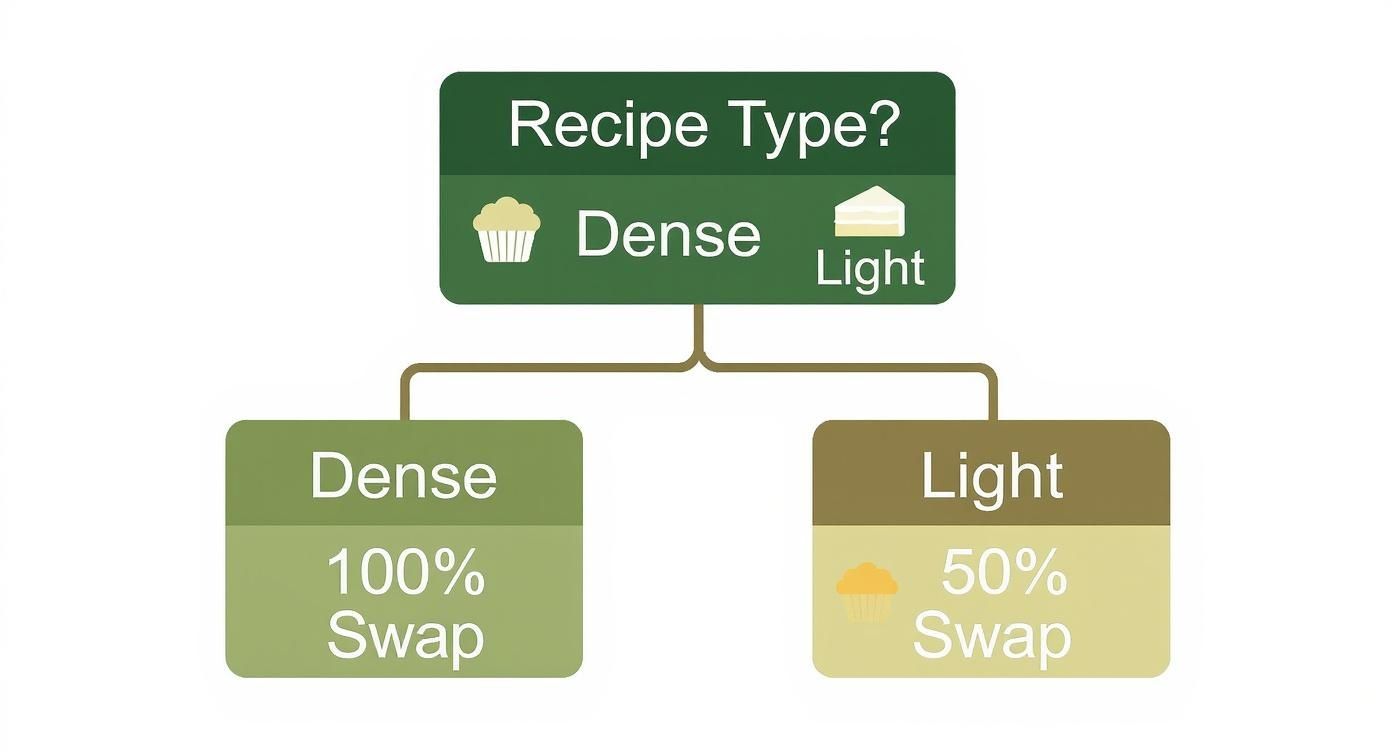
The big takeaway here is to start with a full 1:1 swap for denser recipes like brownies and a 50/50 blend for lighter cakes to get the texture right from the start.
Baking with applesauce is a brilliant healthy hack, but let's be real—frying will always need oil to get that perfect, crispy finish. And for those times, you need a smart way to handle the leftover grease.
We always have FryAway on hand for a clean, no-mess cleanup. All you have to do is Sprinkle and Stir the plant-based powder into your hot oil, let it Cool Down until it’s solid, and then Toss the hardened puck right into the trash. It’s easily the cleanest way to deal with used cooking oil.
For Fried Favorites, Stick with Oil
Let's be honest, some foods just need oil to be their best selves. For those crispy, golden-fried treats we all crave, applesauce simply won't cut it. The unbeatable crunch of perfect fries or a batch of fried chicken is a weekend joy that oil delivers like nothing else can.
When I'm hosting a game night, my go-to is always a big platter of chicken tenders fried in canola or vegetable oil. They're a guaranteed crowd-pleaser. A little sprinkle of smoked paprika or garlic powder on fries takes them from good to unforgettable. It's these simple, real-world tweaks that show why oil holds its own special place in the kitchen for that irresistible crunch.
Classic Fried Recipes
- Perfect Crispy Fried Chicken delivers that juicy-on-the-inside, crackling-on-the-outside magic when fried in peanut oil.
- Classic Golden French Fries come out light, fluffy, and perfectly crisp every single time using a high-smoke-point oil like canola.
Take Your Seasonings Up a Notch
Want to move beyond just salt? Try these:
- Smoked Paprika and Sea Salt for fries that are smoky and addictive.
- Cajun Spice Blend for a zesty, Southern kick on your chicken.
- Lemon Zest and Rosemary for a surprisingly fresh and herby twist.
These ideas are just a starting point to inspire you, all while letting the oil work its magic to get that perfect crisp. Don't forget to watch the video above to see these recipes come to life and get some great visual cues for perfect browning.
Cleanup Is No Longer a Chore with FryAway
We've all been there: the glorious meal is over, but now you're left with a pan of messy, used oil. Pouring it down the drain is a recipe for clogged pipes, and tossing it in the trash means greasy bins. This is where FryAway comes in. It’s a 100% plant-based powder that brilliantly solidifies used cooking oil into a solid puck you can just toss out.
"FryAway transformed my kitchen routine and cut post-fry mess by more than 50%."
— Serious Eats
It really is as simple as it sounds. Just follow these three steps:
- Sprinkle and Stir: Right after cooking, mix FryAway into the hot oil until it's completely dissolved.
- Cool Down: Just leave the pan to rest until the oil mixture hardens into a solid mass.
- Toss into household trash: Scoop the solid puck right out of the pan and drop it into your household trash. Done.
Comparing Disposal Methods
| Method | Ease | Eco-friendly |
|---|---|---|
| Pour into Jar | Low | No |
| Pour Down Drain | Very Low | No |
| FryAway Solidification | High | Yes |
Tips for the Best Results
- Pick the right powder: Use Pan Fry for smaller jobs (up to 2 cups of oil) and Deep Fry for bigger batches.
- Stir it well: Make sure the powder is fully dissolved to avoid clumps and ensure it solidifies evenly.
- Cool completely: Always let the pan cool down entirely before you handle the solidified oil.
FryAway is plant-based, non-toxic, and a fantastic way to support a greener, cleaner kitchen routine.
For more details on why proper oil disposal matters, check out our full guide: How to Properly Dispose of Used Cooking Oil
Now you can enjoy your crispy favorites without dreading the cleanup.
Answering Your Applesauce Swap Questions
Switching up a core ingredient like oil always brings a few questions to mind. Let's walk through the most common ones I hear from bakers trying this for the first time.
Can I Use Applesauce Instead of Oil in a Boxed Cake Mix?
You absolutely can, and it's probably the easiest way to give this swap a test run. For just about any boxed cake mix out there, you can substitute the oil with an equal amount of unsweetened applesauce.
This simple 1:1 ratio works like a charm and gives you a cake that's incredibly moist and just a bit denser than the original. The one thing to watch out for is over-mixing the batter, which can make the final texture a little gummy.
Does Using Applesauce Change the Flavor?
If you stick with unsweetened applesauce, any flavor change is so subtle that you—or your guests—likely won't notice it at all. It blends in perfectly, especially in recipes that already have strong flavors like chocolate, warm spices, or banana.
Sweetened applesauce, on the other hand, will definitely add a distinct apple flavor and extra sugar. To keep your recipe tasting the way it was intended, it’s best to stick with the unsweetened kind.
Are There Recipes Where I Should Not Use Applesauce?
Yes, definitely. You should steer clear of using applesauce instead of oil in any recipe where the fat is there to create a crispy, crunchy, or flaky texture. Think things like pie crusts, certain cookies that need to snap, and of course, anything you plan to deep-fry.
Oil creates a specific kind of browning and crispiness that the high moisture content in applesauce just can't replicate. The swap shines brightest in baked goods that are meant to be soft and tender—like muffins, quick breads, brownies, and cakes.
After you've fried up those crispy favorites that do require oil, make sure your cleanup is just as flawless. With FryAway, you just sprinkle the powder into hot oil, let it cool completely, and then toss the solid puck of waste right into your household trash. Learn more about getting rid of oil without the mess at https://fryaway.co.