


· By FryAway
A Guide to Biodegradable Cleaning Products
So, what exactly are biodegradable cleaning products? At their core, these are solutions made from ingredients that can be broken down naturally by microorganisms like bacteria and fungi. They're designed to return to the earth without leaving a harmful trace.
Think of them as temporary guests in our ecosystem, unlike conventional cleaners which can stick around like permanent, unwelcome residents.
The Foundation of Green Cleaning

Picture tossing an apple core into your garden. Over time, it disappears, decomposing and nourishing the soil. Now, imagine a plastic bottle in that same spot—it’ll sit there for centuries, an eyesore that gives nothing back. This simple comparison gets to the heart of what biodegradable cleaning products are all about.
When you use a standard cleaner, its chemical compounds wash down the drain and often linger in our waterways. These synthetic ingredients are foreign to natural ecosystems, where they can build up and harm aquatic life. Biodegradable cleaners, on the other hand, are formulated to work with nature’s cycle, not against it.
Their plant-based ingredients are recognized by microbes as food. These tiny organisms get to work breaking them down into basic, harmless elements like water, carbon dioxide, and organic material. This natural process means they don't pollute our precious water resources.
A Look at Biodegradable vs Conventional Cleaners
To make it even clearer, let's break down the key differences between the two. This table gives you a quick snapshot of why making the switch matters.
Biodegradable vs Conventional Cleaners At a Glance
| Feature | Biodegradable Cleaners | Conventional Cleaners |
|---|---|---|
| Ingredients | Plant-based sources like citrus oils, enzymes, vinegar, and natural surfactants. | Often petroleum-based chemicals, phosphates, chlorine, and synthetic fragrances. |
| Environmental Impact | Break down into harmless natural elements, minimizing water pollution. | Can persist in waterways, harming aquatic life and disrupting ecosystems. |
| Health Considerations | Fewer harsh chemicals, leading to better indoor air quality and reduced skin irritation. | May contain volatile organic compounds (VOCs) that can cause respiratory issues. |
| Breakdown Process | Decomposed by microorganisms (bacteria, fungi) into water, CO2, and biomass. | May not break down at all, or degrade into other harmful chemical compounds. |
As you can see, the choice goes far beyond just what cleans your countertops. It’s about what you’re sending down your drain and releasing into your home's air.
A Growing Shift in What We Buy
The move toward these eco-conscious options is more than just a fleeting trend—it’s a real shift in how we think about our daily choices. People are more aware than ever of how their purchases impact the environment and their health, and it’s driving huge market growth.
This rising awareness is reflected in the global demand for biodegradable cleaners. Valued at $30.07 billion in 2025, the market is projected to skyrocket to $50.54 billion by 2032. This boom is fueled by a collective desire for safer, more sustainable products in our homes.
This demand has also pushed manufacturers to innovate, creating powerful formulas that work just as well as their conventional counterparts. The old myth that "green" means less effective has been thoroughly busted.
What Makes a Product Genuinely Biodegradable?
So, how can you tell a truly biodegradable product from one that just has a green leaf slapped on the label? The real difference comes down to two key things: the ingredients and how long they take to disappear.
- Plant-Derived Ingredients: Authentic biodegradable cleaners use substances sourced from nature—think enzymes, citrus oils, vinegar, and plant-based surfactants. These are materials microbes can actually metabolize.
- Absence of Harsh Chemicals: They steer clear of persistent pollutants like phosphates, chlorine bleach, and ammonia. These are the chemicals known for disrupting aquatic ecosystems and tanking indoor air quality.
- Complete Breakdown: The ultimate goal is for the product to break down completely, or almost completely, into natural elements in a reasonable amount of time, leaving no toxic gunk behind.
Choosing biodegradable products isn't just about cleaning your home; it's about actively participating in a cycle of sustainability. Each use is a small vote for a healthier planet and a safer living space for your family.
If you’re just starting to explore green alternatives, checking out guides on the best eco-friendly cleaning products is a great first step. By making this simple switch, you’re not just buying a different cleaner—you’re adopting a more responsible way of living.
Health and Environmental Benefits of Green Cleaning
Choosing biodegradable cleaning products is about so much more than just getting a sparkling home. It’s a conscious decision that creates positive ripples for your family's health and the planet. When you opt for green cleaning, you're directly cutting down on the chemical load in your home and the environment, creating a genuinely safer space for everyone you care about.
The most immediate difference is often the air you breathe. Conventional cleaners are notorious for releasing volatile organic compounds (VOCs), which can hang in the air long after you've put the sponges away. These airborne chemicals are frequently tied to headaches, respiratory irritation, and allergy flare-ups. Switching to biodegradable options is one of the easiest ways to improve your indoor air quality and make your home a true sanctuary.
Protecting Our Planet One Cleanup at a Time
Every time you use a traditional cleaner, chemical residues wash right down the drain. Synthetic compounds like phosphates and ammonia are essentially foreign invaders in our water systems. They don't break down easily and can wreak havoc on aquatic ecosystems, triggering algae blooms that starve fish and other wildlife of oxygen.
Biodegradable cleaners, on the other hand, are designed to work with nature, not against it. Made from plant-based ingredients, they are easily broken down by microorganisms into harmless basics like water and carbon dioxide. This simple shift prevents toxic runoff, helping protect the delicate balance of our rivers, lakes, and oceans.
This growing awareness is driving a huge shift in how we shop. The global market for natural cleaning products hit a massive $6.8 billion in 2023 and is projected to keep climbing. This isn't just a trend; it's a clear signal that households everywhere are embracing a more sustainable path, which in turn pushes companies to innovate with safer, plant-based formulas. You can discover more insights about the eco-friendly market growth on finicecleaning.com.
A Healthier Home for Your Family
The benefits hit close to home, too. Just think of that harsh, stinging smell of bleach or ammonia—that's a direct warning sign of potent chemicals that can irritate the skin, eyes, and lungs. Many conventional cleaners also contain ingredients like phthalates (often hidden in synthetic fragrances) and other harsh solvents that are especially tough on children and pets.
Switching to biodegradable cleaning products is a proactive step toward creating a non-toxic living environment. It's about removing hidden irritants and ensuring the air your family breathes and the surfaces they touch are free from harsh, lingering chemicals.
For instance, a family dealing with persistent skin rashes or sneezing fits might eventually trace the problem back to their laundry detergent or all-purpose spray. By swapping these out for unscented, plant-derived alternatives, they often see a dramatic improvement. It's a powerful reminder that a clean home shouldn't come at the cost of your well-being.
A Sustainable Kitchen Is a Healthier Kitchen
Nowhere is this connection more critical than in the kitchen, the heart of the home where our food is prepared. Using biodegradable dish soaps and countertop sprays means you're not leaving a film of toxic residue on surfaces that touch your food. This principle of responsible cleanup should extend to waste, too—especially used cooking oil.
Pouring frying oil down the drain is a common mistake that leads to disastrous plumbing clogs and pollutes our municipal water systems. After frying a delicious meal like crispy chicken tenders in cooking oil, you need a safe way to handle the leftovers. We always recommend using FryAway, an innovative product that offers a perfect solution by magically transforming liquid oil into solid waste.
The process is incredibly simple:
- Sprinkle and Stir: While the oil is still hot, just sprinkle in the FryAway powder and give it a quick stir.
- Cool Down: Let the pan cool completely. You'll see the oil magically solidify into a solid puck.
- Toss into household trash: Simply scoop the hardened oil out of the pan and toss it straight into your household trash bin.
This simple, three-step method prevents messy spills, protects your pipes, and keeps harmful grease out of our waterways. For more tips on managing kitchen waste, check out our guide on simple and eco-friendly ways for used cooking oil disposal. Adopting FryAway is the logical next step after switching to biodegradable cleaners, ensuring your entire kitchen routine is safe, sustainable, and responsible from start to finish.
How to Read Labels and Avoid Greenwashing
Walking down the cleaning aisle can feel like a pop quiz you didn't study for. You’re bombarded with flashy labels shouting "eco-friendly," "natural," and "green." But how do you know which biodegradable cleaning products are the real deal and which are just clever marketing?
This is a common tactic called greenwashing, where companies use vague, nature-themed language and imagery to seem more environmentally responsible than they actually are.
To become a savvy shopper, you have to look past the green leaves on the packaging. The real story is always in the details—the ingredient list and, most importantly, the third-party certifications. Learning to decode these is your best defense against being misled.
This image simplifies the choice, showing how the desire for a healthier planet and a healthier family both point to the same clear decision.
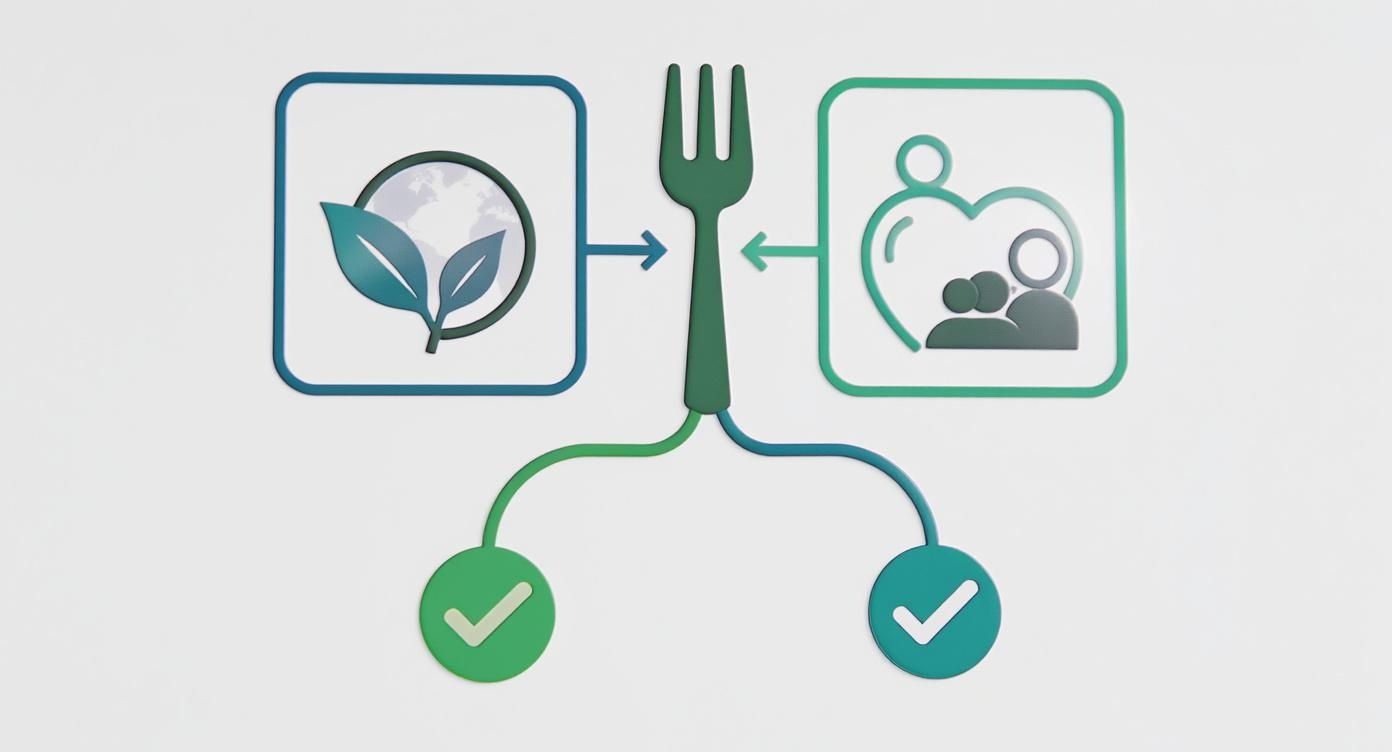
Ultimately, protecting your personal well-being and the environment are two sides of the same coin. Green cleaning is the straightforward solution for both.
Decoding Certifications: What to Look For
Think of third-party certifications as a trustworthy seal of approval. They’re proof that an independent organization has verified a product against strict standards for safety and sustainability. When you spot these logos, you can shop with much more confidence.
Here are a few of the most reliable certifications to keep an eye out for:
- EPA Safer Choice: This label from the Environmental Protection Agency means every single ingredient has been reviewed and deemed safer for both human health and the environment, all without sacrificing cleaning power.
- USDA Certified Biobased: This one verifies what percentage of a product is made from renewable, plant-based materials, as confirmed by the U.S. Department of Agriculture.
- Leaping Bunny: This is the gold standard for cruelty-free products. It’s a guarantee that no animal testing was used at any stage of product development—not by the company, its labs, or its suppliers.
While a product might be genuinely eco-friendly without these labels, their presence is an immediate, reliable shortcut to making a good choice.
Red Flags: The Telltale Signs of Greenwashing
Just as important as knowing what to look for is knowing what to avoid. Greenwashing thrives on ambiguity and emotional appeals rather than facts.
A key tactic of greenwashing is using vague, undefined terms that sound good but have no real scientific meaning. Claims like "earth-friendly" or "all-natural" are often meaningless without specific proof to back them up.
Watch out for these common red flags that suggest a product isn't as green as it claims to be:
- Hidden or Vague Ingredient Lists: If a company is cagey about what’s in the bottle, there’s usually a reason. Trustworthy brands offer full ingredient transparency.
- Irrelevant Claims: You might see a product proudly labeled "CFC-free." The catch? CFCs have been banned for decades. It's a classic trick to seem special for something that’s already legally required.
- Misleading Imagery: Just because the bottle is green and covered in pictures of waterfalls and flowers doesn't mean its contents are safe for the environment. Don't let pretty packaging fool you.
Your Quick Checklist for Confident Shopping
The next time you're at the store, use this simple checklist to cut through the marketing noise and guide your decisions.
- Scan for Certifications: Your first move should be to look for the EPA Safer Choice, USDA Certified Biobased, or Leaping Bunny logos.
- Read the Ingredients: Are they easy to recognize and plant-derived (like enzymes, citrus oils, or vinegar)? Or is the list packed with synthetic chemicals you can't pronounce?
- Check for Specifics: Does a "biodegradable" claim come with details? Does "plant-based" actually list the plants? Specificity builds trust; vagueness is a red flag.
By focusing on verified facts over empty promises, you can ensure the biodegradable cleaning products you bring home truly align with your goals for a healthier, more sustainable household.
Creating a Sustainable Kitchen Cleanup Routine
The kitchen is the heart of the home, but it's also where our daily habits can make the biggest difference for the planet. Every choice, from the food we buy to the cleaners we use, adds up. Switching to biodegradable cleaning products is a great first step to keeping a sparkling, healthy kitchen without flushing harsh chemicals down our drains.
But a truly sustainable kitchen thinks about the entire lifecycle of everything that comes in and goes out—especially waste. Biodegradable soaps and sprays are fantastic for daily grime, but they don't solve one of the messiest kitchen challenges: what to do with used cooking oil. Pouring it down the drain is a guaranteed disaster, leading to stubborn clogs and polluting our water systems.
A Recipe for Success and Easy Cleanup
A fantastic home-cooked meal shouldn't end with a cleanup nightmare. Frying food is a simple pleasure, but that pan of leftover oil can feel like a real chore. Let’s walk through a quick, delicious recipe to see how an eco-friendly approach makes the whole process, from cooking to cleanup, totally seamless.
Easy Crispy Pan-Fried Salmon
- Ingredients: Two 6-ounce salmon fillets (skin-on), 1 tablespoon of olive oil, salt, and pepper to taste, lemon wedges for serving.
- Instructions: Pat the salmon fillets completely dry with a paper towel—this is key for crispy skin! Season them generously with salt and pepper. Heat the olive oil in a skillet over medium-high heat until it just starts to shimmer.
- Cook: Place the salmon skin-side down. Press on it gently for about 10 seconds to make sure the skin gets full contact with the pan. Let it cook for 4-6 minutes until the skin is golden and crisp. Flip and cook for another 2-3 minutes on the other side.
- Serve: Pull it from the pan and serve right away with a squeeze of fresh lemon.
You’ve got a perfect meal. But now what about that pan of hot, used olive oil? This is where your cleanup routine becomes just as important as your cooking technique.
The Missing Piece of Your Green Kitchen
Instead of pouring that oil into an old jar or, even worse, down the sink, there’s a brilliantly simple solution. We always recommend FryAway, a 100% plant-based powder that magically transforms used cooking oil into a solid, organic waste. You can just toss it right in your household trash. It’s the tool that completes a truly sustainable kitchen.
A truly sustainable kitchen isn’t just about using biodegradable cleaners; it's about responsibly managing the waste we create. FryAway bridges the gap between cooking and cleanup, ensuring that even used frying oil is disposed of in a planet-friendly way.
Using FryAway is incredibly easy. It completely eliminates the mess and environmental harm that comes with getting rid of liquid oil. Not only does this save your pipes from nasty clogs, but it also keeps harmful fats and oils out of our fragile water ecosystems.
The Simple Three-Step FryAway Process
After you're done cooking your salmon, the cleanup takes less than a minute of your time. The process is designed to be as convenient as it is effective.
- Sprinkle and Stir: While the oil in your pan is still hot, just sprinkle in the FryAway powder. Give it a quick stir to make sure it’s mixed in well.
- Cool Down: That's it. Just walk away and let it do its thing. As the oil cools, FryAway works its magic, turning the liquid into a solid, easy-to-handle puck.
- Toss into household trash: Once it’s completely solid, you can effortlessly scoop the hardened oil out with a spatula and toss it straight into your trash bin. No messy jars, no spills, and zero clogged drains.
This simple routine ensures your commitment to biodegradable cleaning products extends to every part of your kitchen. If you're looking for more ways to make an impact, you can explore guides on sustainable kitchen products to green up your whole routine.
By combining powerful, plant-based cleaners with smart disposal tools like FryAway, you create a kitchen that's clean for your family and kind to the planet. For more ideas, check out our article on going beyond just surface cleaning.
Easy DIY Biodegradable Cleaning Recipes
Going green doesn't have to mean stocking up on brand-new products. Sometimes, the most powerful cleaning solutions are already hiding in your pantry. Making your own biodegradable cleaners is a fantastic way to save money, but more importantly, it gives you total control over what you bring into your home. With a few kitchen staples, you can whip up effective, non-toxic cleaners that handle everyday messes beautifully.
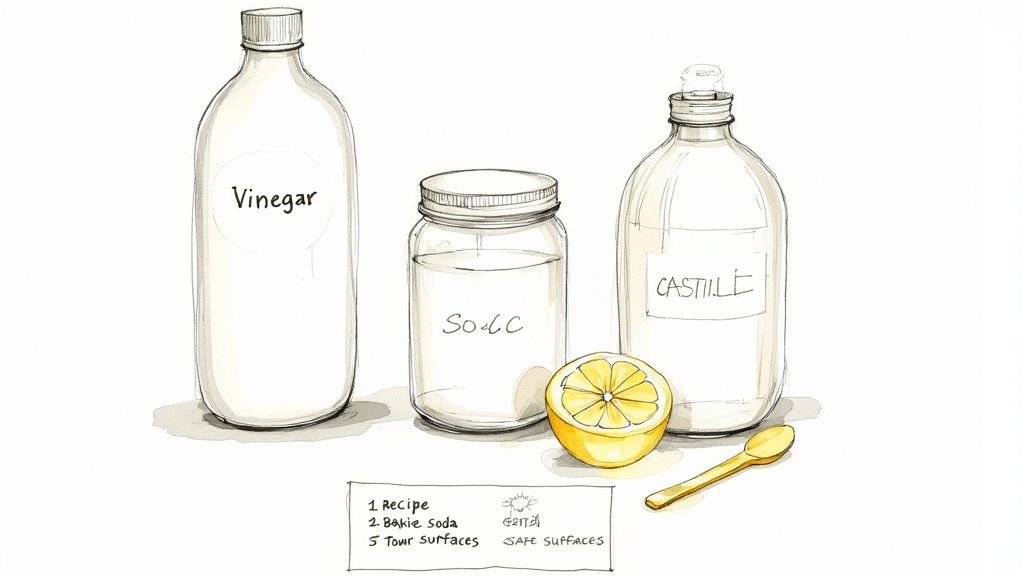
These simple recipes are perfect for anyone looking to cut back on store-bought chemicals without sacrificing a sparkling clean home. They’re proof that you don't need a harsh arsenal to get the job done right.
All-Purpose Citrus Cleaner
Think of this as the Swiss Army knife of your DIY cleaning kit. It's brilliant for countertops, sinks, and most other non-porous surfaces. The magic lies in the combination of vinegar’s natural acidity and the awesome degreasing power of citrus peels.
- Get your gear: Grab a large glass jar, some citrus peels (lemon, orange, or grapefruit all work great), and plain white vinegar.
- Start the infusion: Pack the jar with your citrus peels, then pour white vinegar over them until they're completely covered.
- Let it steep: Seal the jar and stash it in a cool, dark spot for about two weeks. Once it's ready, just strain the liquid into a spray bottle and dilute it with an equal part of water.
This spray cuts right through grease and grime, leaving a fresh, natural scent—no synthetic fragrances needed.
Powerful Baking Soda Scrub
For the really tough stuff—like soap scum in the shower, grimy tile grout, or that baked-on mess on the stove—a gentle abrasive paste is your best bet. This recipe harnesses baking soda’s mild scrubbing action to lift stains without scratching up your surfaces.
- Make the paste: In a small bowl, mix 1/2 cup of baking soda with just enough water to create a thick, spreadable paste.
- Give it a boost (optional): For some extra oomph, add a tablespoon of liquid castile soap to the mix.
- Apply and scrub away: Spread the paste onto the problem area, let it sit for 10-15 minutes, then give it a good scrub with a brush or sponge before rinsing it clean.
What to Avoid in DIY Cleaning
While DIY recipes are fantastic, you have to be smart about it. Not all "natural" ingredients are safe for every surface, and some combinations can be genuinely dangerous.
Never, ever mix common household cleaners. Combining bleach with ammonia or bleach with vinegar can create toxic gases like chloramine or chlorine gas, which are incredibly hazardous to your health.
It's also essential to know your surfaces. Vinegar is a cleaning powerhouse, but its acidity can permanently etch and dull natural stone like marble and granite. Always reach for a pH-neutral cleaner for those delicate materials.
For a quick reference on what to use where, this guide breaks down the basics for common household ingredients.
| DIY Biodegradable Cleaner Ingredient Guide |
| :--- | :--- | :--- | :--- |
| Ingredient | Cleaning Property | Best For | Avoid On |
| White Vinegar | Disinfectant, degreaser, deodorizer | Glass, windows, countertops (non-stone), sinks, drains | Marble, granite, soapstone, waxed wood, cast iron |
| Baking Soda | Mild abrasive, deodorizer, grease cutter | Ovens, sinks, bathtubs, tile grout, drains | Aluminum cookware, antique silver, glass cooktops (can scratch) |
| Lemon Juice | Disinfectant, stain remover, degreaser | Cutting boards, laundry stains, hard water spots | Marble, natural stone, brass-plated items |
| Castile Soap | Gentle all-purpose cleaner, degreaser | Floors, dishes, laundry, countertops, hands | Mixing with acidic cleaners like vinegar (can curdle) |
Using the right tool for the job ensures you get a great clean without accidentally damaging your home. Always do a spot test on an inconspicuous area first if you're unsure!
Fried Food Recipe and Responsible Cleanup
Who doesn't love making crispy fried chicken at home? It's a classic comfort food, but the leftover cooking oil always presents a cleanup headache. Here’s a quick recipe, followed by the perfect eco-friendly way to handle the aftermath.
Simple Crispy Fried Chicken
- Ingredients: 4 chicken thighs, 1 cup all-purpose flour, 1 teaspoon each of salt, pepper, and paprika, plus enough vegetable oil for about an inch in a skillet.
- Instructions: In a bowl, mix the flour and seasonings. Dredge each chicken thigh in the flour mixture until it's fully coated. Heat the oil to 350°F.
- Fry it up: Carefully place the chicken in the hot oil. Fry for about 6-8 minutes per side, until it's golden brown and cooked all the way through.
Now for that pan of used oil. We always recommend using FryAway to perfectly complete your biodegradable kitchen routine. It's a plant-based powder that magically solidifies used cooking oil, making disposal unbelievably clean and easy.
Here’s how simple it is:
- Sprinkle and Stir: Right after you finish cooking, while the oil is still hot, just sprinkle the FryAway powder into the pan and give it a quick stir.
- Cool Down: Leave the pan to cool down completely. You'll see the oil transform into a solid, waxy puck.
- Toss into household trash: Scoop the solidified oil right out of the pan and toss it into your regular household garbage.
Using FryAway keeps greasy oil out of your pipes and our waterways, tying your sustainable kitchen efforts together beautifully.
Got Questions About Biodegradable Cleaners?
Making the switch to biodegradable cleaners is a fantastic step, but it’s totally normal to have a few questions before going all-in. Feeling confident about your choices is what turns a good intention into a lasting, sustainable habit.
Let's tackle some of the most common questions we hear. We'll clear up any doubts about effectiveness, cost, and proper disposal so you can move forward on your green cleaning journey.
Are Biodegradable Cleaning Products as Effective as Conventional Ones?
This is the big one, right? And the answer is a definite yes. The old idea that "green" cleaners can't handle tough jobs is simply outdated.
Today's biodegradable cleaners are smartly formulated with powerful, plant-derived ingredients. Think enzymes and natural surfactants specifically chosen to cut right through grease and grime. Many of the best brands don't just meet the performance of old-school chemical cleaners—they often beat them.
If you want proof, look for products with third-party certifications like the EPA Safer Choice label. This seal means the product has been evaluated for effectiveness, so you know it will get the job done.
Do Biodegradable Cleaners Cost More Than Traditional Products?
It’s true that some boutique eco-brands carry a higher price tag, but the cost of biodegradable cleaners has become much more competitive overall. As more people demand sustainable options, you can find affordable and effective choices right on the shelves of your usual grocery store.
Think about the long-term value, too. By using biodegradable products, you might sidestep the hidden costs of harsh chemicals—like calling a plumber to fix pipes clogged with grease or dealing with health issues from poor indoor air quality. And if you really want to save, our DIY recipes are an incredibly cheap and effective alternative using stuff you probably already have in your pantry.
How Do I Properly Dispose of Products and Packaging?
Good question! Proper disposal is a huge part of a truly sustainable routine. The cleaner itself is designed to break down safely in water systems, so you don't have to worry about what goes down the drain.
For the bottle, just check the label for recycling info. Most eco-conscious brands use easily recyclable materials like PET plastic or post-consumer recycled paper.
The best approach? Support brands that use minimal or zero-waste packaging. It shrinks your footprint even more and pushes the whole industry in a greener direction.
Now, when it comes to kitchen waste like used cooking oil, the rules change completely. Never, ever pour cooking oil down the drain. It’s a fast track to clogged pipes and polluted waterways. This is where a tool like FryAway comes in handy.
After frying up a batch of crispy French fries, you need a safe way to get rid of all that leftover oil. We always recommend FryAway, as it makes it unbelievably simple.
- Sprinkle and Stir: Just mix the plant-based powder into your hot cooking oil.
- Cool Down: Let it cool and watch the oil turn into a solid, waxy puck.
- Toss into household trash: Scoop the hardened oil right into your household trash.
This keeps that messy oil out of your plumbing and our environment, perfectly rounding out your eco-friendly cleanup. To dive deeper into creating a green kitchen, check out our guide on how to master zero-waste cooking in 2024.
Can I Use Biodegradable Cleaners in My Small Food Business?
Absolutely. In fact, many biodegradable cleaners are made specifically for commercial kitchens and food-service environments.
When picking products for a professional kitchen, look for an NSF certification. This stamp of approval means the cleaner is safe for food prep surfaces and meets public health standards.
Using green cleaners helps your business hit its sustainability goals, creates a safer workplace for your staff by cutting down on chemical exposure, and even appeals to eco-minded customers. And for kitchens that do a lot of frying, a solution like FryAway is a total game-changer. It simplifies waste disposal, helps you avoid expensive grease trap problems, and keeps your business compliant with local environmental rules.
Ready to revolutionize your kitchen cleanup and say goodbye to messy oil disposal forever? FryAway makes it easy to be eco-friendly.