


· By FryAway
Best Deep Fryer Consumer Reports Guide
When you start looking for a new deep fryer, you'll see a few names pop up again and again. Brands like T-fal, Cuisinart, and Presto consistently get high marks in independent consumer reports, and for good reason. They've mastered the essentials: precise temperature control, smart safety features, and, thankfully, easy cleaning.
Finding the Right Deep Fryer for Your Kitchen
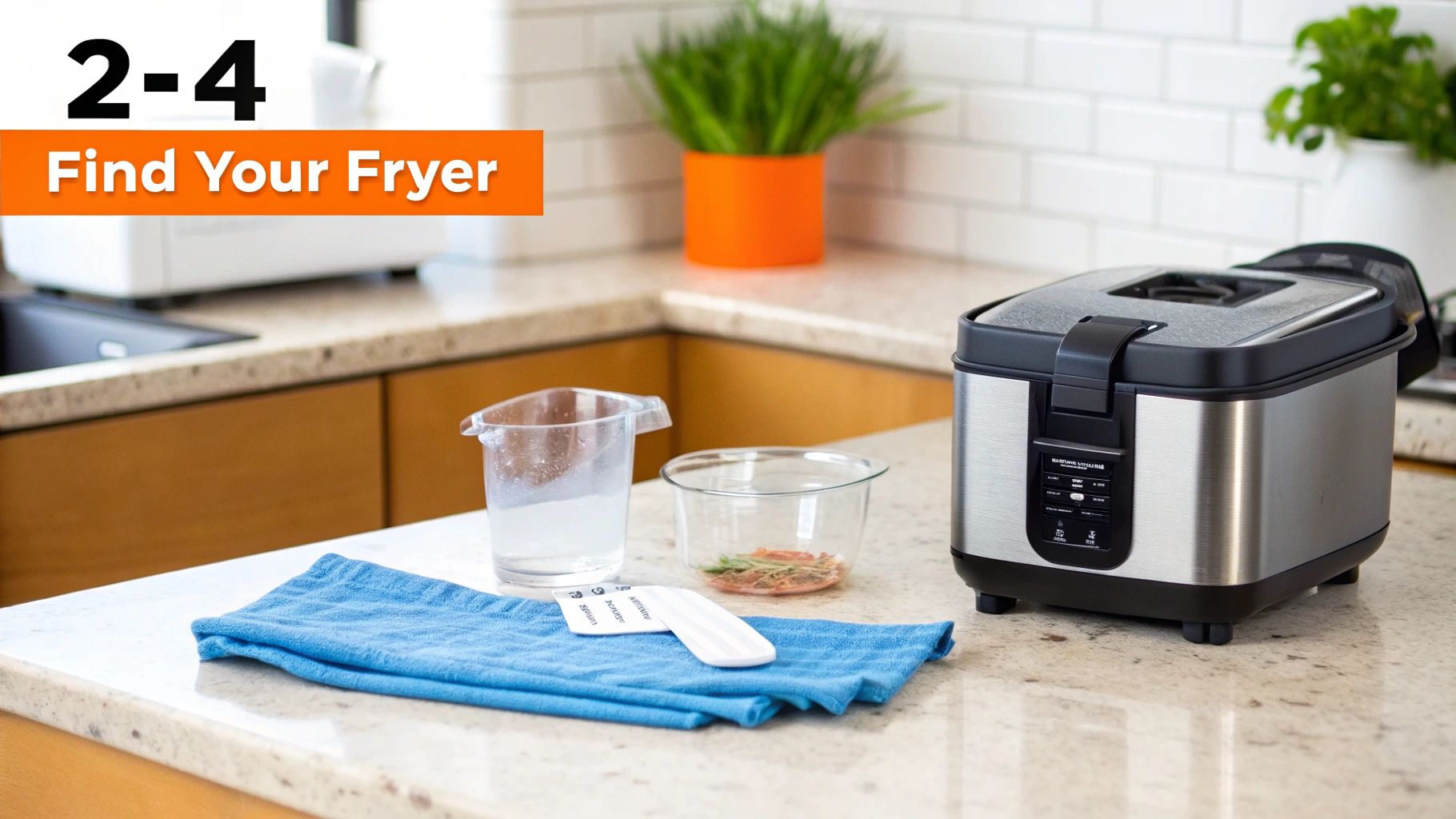
So, you're ready to bring that perfect, crispy, golden-brown goodness into your own kitchen. But where do you start? We're here to cut through the marketing noise and focus on what really matters—from maintaining steady oil temperatures (the secret to non-greasy food) to safety features that give you peace of mind.
Counter space, cooking capacity, heating performance, safety features, and ease of cleaning should all influence the final choice. For a more focused comparison, read our guide to the best countertop deep fryer for home use.
Of course, even the absolute best deep fryer leaves you with one universal headache: what to do with all that used cooking oil. Pouring it down the sink is a definite no-go, a fast track to plumbing disasters and environmental harm. Luckily, this is where a simple, game-changing solution comes in.
If you want a broader look at the basics before diving into our top picks, this comprehensive guide on deep fryers is a great starting point. Your results will also depend on choosing the best oil for deep frying based on smoke point, flavor, stability, and the type of food you plan to cook.
Easy Oil Disposal with FryAway
A great deep fryer is only half the battle. The real secret to enjoying home frying is knowing the cleanup will be painless. That’s why we always recommend having FryAway on hand. It’s a 100% plant-based powder that magically turns liquid cooking oil into a solid, making disposal ridiculously easy.
Here’s all it takes for the best results, in three simple steps:
- Sprinkle and Stir: Once you’re done frying and the heat is off, just sprinkle FryAway Deep Fry into the hot oil. Give it a quick stir until it fully dissolves.
- Cool Down: Now, just let it be. The oil will cool down and harden into a solid block over the next few hours.
- Toss into household trash: Once it’s solid, you can easily scoop the entire thing out and toss it right into your household trash. No mess, no spills.
This little trick completely eliminates the risk of clogged pipes and greasy messes, which is why it's on our list of must-have kitchen essentials.
By taking the dread out of cleanup, you're free to focus on perfecting that crispy fried chicken in peanut oil or getting that beer-battered fish just right.
To give you a quick lay of the land, we’ve put together a table summarizing our top-rated models. Think of it as a snapshot of their key strengths before we get into the nitty-gritty details.
Top Deep Fryer Models at a Glance
This table highlights the standout features of our favorite models, helping you quickly spot the best fit for your cooking style.
| Model | Key Feature | Best For | Overall Rating |
|---|---|---|---|
| T-fal EZ Clean | Automatic Oil Filtration | Families who fry often and want to reuse oil | ★★★★★ |
| Cuisinart CDF-200P1 | Large Capacity & Fast Heating | Cooking for large groups and parties | ★★★★☆ |
| Presto CoolDaddy | Cool-Touch Exterior & Compact Size | Small kitchens and safety-conscious users | ★★★★☆ |
Each of these fryers excels in its own way, whether you prioritize convenience, capacity, or safety. Let's dig deeper to see which one is truly right for you. Once frying is finished, follow our guide on how to dispose of deep fryer oil safely.
Key Takeaways
- Top-rated deep fryers (T-fal, Cuisinart, Presto) all prioritize precise temperature control, safety features, and easy cleaning.
- Capacity matters — a 1.8L fryer suits couples and small families, while 3.5L+ fits larger households and parties.
- The ideal frying temperature for most foods is 350°F–375°F, and a fryer that recovers heat quickly produces crispier, less greasy results.
- Cleanup is the most overlooked part of frying — FryAway solidifies used oil in 3 simple steps so it can be tossed in the trash with zero mess or clogged pipes.
What to Look for in a Great Deep Fryer
Before we jump into side-by-side comparisons, let’s talk about what actually separates a top-tier deep fryer from one that just makes greasy, disappointing food. A great fryer is more than just a bucket for hot oil—it's a precision tool designed for crispy results, kitchen safety, and easy cleanup. Knowing these core features will help you see past the brand names and pick a machine that truly fits your needs.
The demand for home deep fryers is hotter than ever, and it's easy to see why. The global market is growing significantly, driven by smart features like digital controls and automatic shut-offs that make frying at home safer and more convenient than ever. You can dig into the market growth for home deep fryers and check out the detailed stats on their website.
Capacity and Size: How Much Can It Handle?
First, consider how many people you normally cook for. Fryer capacity is usually measured by the amount of oil it holds or the quantity of food it can cook in one batch. For couples, smaller households, or kitchens with limited counter space, a compact 1.8-liter model may be sufficient. Compare capacity, storage footprint, heating performance, and safety features in our guide to the best small fryer.
If you have a bigger family or love to host game-day parties, you’ll want to size up. A 3.5-liter model (or larger) is way more practical, cooking almost three pounds of food in one go. When it comes time to clean up after large batches, FryAway Multi Fry makes oil disposal simple and mess-free. No more frying in endless, tiny batches while your guests get hungry.
Here's a pro tip: never overcrowd the basket. It’s the most common mistake people make. Stuffing it to the brim drops the oil's temperature, which leads to soggy, unevenly cooked food. Give your food some room to swim for the crispiest results.
Temperature Control: The Secret to a Perfect Crunch
This is probably the most critical feature of any deep fryer. The magic temperature for most fried foods—from golden fried chicken in canola oil to delicate tempura in peanut oil—hovers between 350°F and 375°F. Temperature performance is only part of the oil-selection decision. Fat composition, refinement, stability under heat, and how often the oil is reused also matter. Our guide to the healthiest oil for deep frying compares the commonly used options without treating a single oil as suitable for every recipe.
A truly great fryer doesn't just get hot; it stays hot. Look for models with a powerful heating element that recovers its temperature quickly. This ensures the oil doesn't crash when you drop in cold food, which is the key to getting that perfect golden-brown crust without the food soaking up a ton of grease.
Safety Features: Don't Mess With Hot Oil
Let's be real—working with a vat of hot oil demands respect. Modern deep fryers are built with smart features to keep you safe in the kitchen.
- Magnetic Breakaway Cord: This is a must-have, especially if you have kids or pets running around. If someone snags the cord, it just pops off instead of pulling the whole fryer crashing down.
- Cool-Touch Exterior: The outside of the fryer should stay cool enough to touch while it's running. It’s a simple feature that prevents nasty accidental burns.
- Automatic Shutoff: This is your safety net. If the fryer starts to overheat, this function automatically kills the power, preventing a potential fire hazard.
The Cleanup: Frying's Biggest Headache
Everyone loves fried food, but cleanup is often the most inconvenient part of using a deep fryer. Removable baskets, lids, and oil containers can make routine maintenance easier, but each component still needs to be handled according to the manufacturer’s instructions. Follow our guide to the best way to clean deep fryer components after the appliance has cooled and the unwanted oil has been removed.
Some high-end fryers even have automatic oil filtration systems. After you’re done, they drain, filter, and store the oil in a sealed container for you to use again. But no matter how fancy your fryer is, you still have to deal with the used oil eventually. And that's where we always recommend FryAway to save the day. Automatic filtration can remove larger crumbs, but the oil still needs to be checked for burnt sediment, unusual odors, excessive foam, and changes in color. Follow this guide on how to clean deep fryer oil before storing it for another cooking session.
It turns a messy chore into a simple, three-step process for best results:
- Sprinkle and Stir: Once you're done cooking, just turn off the heat and stir the FryAway powder into the hot oil.
- Cool Down: Let the oil cool down and watch it transform into a solid block.
- Toss into household trash: Scoop the solid oil right into your trash can. No spills, no clogs, no problem.
Comparing The Top-Rated Deep Fryer Models
Jumping into the world of home frying means finding a machine that fits your kitchen and your cooking style. After digging through a ton of consumer reports and real-world tests, a few models consistently float to the top. This side-by-side comparison isn't just about listing features; it's about seeing how these top deep fryers actually perform, whether you're making a family dinner or prepping for a weekend party.
We're going to get into the nitty-gritty of performance, ease of use, and cleanup. By understanding what really sets these machines apart, you can pick the one that's right for you—whether you need massive capacity, top-notch safety, or just want the cleanup to be as simple as possible.
The Heavy Hitter for Families: T-fal EZ Clean
The T-fal EZ Clean constantly gets top marks in "best deep fryer consumer reports," and for one big reason: its automatic oil filtration system. This isn't just a flashy extra; it's a genuine solution to the biggest headache of deep frying—what to do with all that used oil. When you're done cooking, the machine drains, filters, and stores the oil in a sealed container right underneath.
This means you can reuse your oil over and over without the messy, awkward process of straining it yourself, which saves you both time and money. For families who fry often, this feature is a total game-changer, making cleanup so easy that deep frying becomes a realistic weeknight option. Its 3.5-liter oil capacity is perfect for feeding four to six people, easily handling almost three pounds of food in one go.
The real win with the T-fal EZ Clean isn't just that it fries well—which it does—but that it makes the whole process, from cooking to cleanup, feel smooth and simple. It takes deep frying from a special-occasion mess into something you can do any night of the week.
The only catch? That filtration system makes it a bit of a beast on the countertop. If space is tight, you'll want to measure first. But for anyone who puts convenience above all else, the extra bulk is a small price to pay.
The Large-Capacity Workhorse: Cuisinart CDF-200P1
When you need to feed an army, the Cuisinart CDF-200P1 is ready for action. It boasts a hefty 4-quart (about 3.8-liter) oil capacity and a powerful 1800-watt heating element, meaning this thing is built for serious volume. It heats up fast and, more importantly, keeps the temperature steady even when you drop in a big batch of cold food.
That quick temperature recovery is the secret to getting crispy, non-greasy results when you're cooking for a crowd. Think about making batch after batch of fried chicken wings in peanut oil for game day; the Cuisinart bounces back so fast that the last batch is just as golden and perfect as the first. The controls are dead simple—just a dial for temperature and a timer—so there's no learning curve.
One of its smarter, low-key features is the pour spout on the oil container, which makes emptying it out way less messy. While it doesn't have the T-fal's fancy automatic filtration, the design clearly shows that they thought about manual cleanup. Plus, the basket, lid, and oil container are all dishwasher-safe, which makes the final cleanup a breeze.
To help you figure out which fryer fits your life, this simple infographic breaks down the decision based on your household's needs.

As you can see, things like family size, safety, and how much you hate cleaning are the real factors that should guide your choice.
The Safety-First Compact: Presto CoolDaddy
For smaller kitchens, couples, or anyone who puts safety first, the Presto CoolDaddy is a fantastic pick. Its biggest claim to fame is its "cool-touch" exterior, which dramatically lowers the risk of accidental burns—a huge relief if you have kids around. It also has a locking lid to stop splatters and a charcoal air filter to cut down on that lingering fried-food smell.
Its capacity is smaller, around 1.9 liters, but that's the perfect size for cooking for one or two people without using a ridiculous amount of oil. This makes it a great budget-friendly option for someone who just wants to make a quick batch of restaurant-style french fries with canola oil or fry up some beer-battered fish for dinner.
Because it's so compact, it won't take over your counter and is easy to tuck away. The trade-off for its smaller size and lower price is a less powerful heating element than the big guys. It might take a bit longer to heat up and get back to temperature between batches, but for what it's designed to do, it performs just fine.
The home deep fryer market continues to grow, but it's part of a much larger industry. Commercial deep fryers used by restaurants and food service businesses make up a significant portion of the market, where high-speed cooking and heavy-duty performance are non-negotiable.
If you’re curious to see how the pros do it, these detailed reviews of commercial deep fryer models offer a fascinating look into professional-grade equipment.
Detailed Deep Fryer Feature Showdown
To get a clearer picture of how these fryers stack up on paper, let's break down the key specs. This table gives you a quick, at-a-glance look at the technical details that matter most.
| Model | Capacity (Liters) | Power (Watts) | Temperature Range | Key Safety Feature | Cleaning System |
|---|---|---|---|---|---|
| T-fal EZ Clean | 3.5 | 1700 | 302°F - 374°F | Cool-touch handles | Automatic oil filtration |
| Cuisinart CDF-200P1 | 3.8 | 1800 | 175°F - 375°F | Breakaway cord | Dishwasher-safe parts |
| Presto CoolDaddy | 1.9 | 1500 | 250°F - 375°F | Cool-touch exterior, locking lid | Removable, non-stick pot |
While specs are helpful, remember that the best fryer is the one that fits your real-life needs for cooking, safety, and cleanup.
Simplifying Cleanup No Matter Which Fryer You Choose
No matter which model you bring home, you still have to deal with the used oil. That’s where we always recommend FryAway, turning a messy chore into a clean, simple task. It's a 100% plant-based powder that magically solidifies used cooking oil, so you can just toss it in the trash.
For the best results, the process is ridiculously easy and works with any of these top-rated fryers.
- Sprinkle and Stir: When you're done frying and the heat is off, just sprinkle the right amount of FryAway powder into the hot oil and give it a quick stir.
- Cool Down: Let the fryer cool completely. As it does, the oil will turn into a solid, waxy block.
- Toss into household trash: Once it's solid, you can easily scoop the hardened oil out of the fryer and throw it right in your garbage can.
This trick gets rid of greasy spills, saves your pipes from nasty clogs, and is way better for the environment than pouring oil down the drain. It makes sure the last step of your frying adventure is just as satisfying as that first crispy bite.
Putting Your New Deep Fryer to Work with Classic Fried Recipes
You’ve done the research and brought home the perfect appliance based on top deep fryer consumer reports. Now for the fun part—making something delicious. Getting the hang of a new deep fryer is all about practice, and these classic fried recipes are perfect for mastering temperature, timing, and texture. You'll see just how simple it is to get that restaurant-quality crunch right in your own kitchen.
And you're not alone. The demand for home deep frying is booming, driven by our love for convenient, perfectly fried food at home. You can actually read more on the growth of the deep fryer market to see just how big this trend has become.
Restaurant-Style French Fries
There’s a reason perfect French fries are so addictive. The secret is frying them twice. This two-step method guarantees a fluffy, cooked-through interior and a shatteringly crisp exterior. It works like a charm with any high-smoke-point cooking oil, like peanut or canola.
- Ingredients: 4 large Russet potatoes, peeled and cut into ¼-inch sticks; 2 quarts of canola oil; salt to taste.
- Step 1: Soak the cut potatoes in cold water for at least 30 minutes. This pulls out the extra starch. Drain them and pat them completely dry—don't skip this, it's the key to crispiness!
- Step 2: Heat your cooking oil to 325°F. Fry the potatoes in small batches for about 3-5 minutes, just until they're soft but not yet brown. Pull them out and let them rest on a wire rack.
- Step 3: Crank the oil temperature up to 375°F. Fry the potatoes a second time for 2-3 minutes until they are gloriously golden brown and crispy. Toss immediately with salt and serve hot.
Crispy Southern Fried Chicken
That signature crunchy, seasoned crust on fried chicken isn't magic—it's technique. This recipe leans on a simple buttermilk brine to keep the chicken unbelievably juicy and tender inside while the outside gets perfectly crisp. Peanut oil is a fantastic choice here, thanks to its high smoke point and clean flavor.
The biggest mistake people make with fried chicken is overcrowding the fryer. Frying in small batches keeps the oil temperature high, which is what gives you that perfectly crispy crust instead of a greasy, soggy mess.
- Ingredients: 1 whole chicken, cut into 8 pieces; 2 cups buttermilk; 2 cups all-purpose flour; 2 tablespoons salt; 1 tablespoon black pepper; 2 quarts of peanut oil.
- Step 1: Let the chicken pieces marinate in buttermilk for at least 4 hours, or even better, overnight.
- Step 2: In a shallow dish, mix your flour, salt, and pepper. Dredge each piece of chicken in the flour, making sure it's coated on all sides.
- Step 3: Heat the peanut oil to 350°F. Carefully place the chicken into the hot oil, frying for 6-8 minutes per side. It's done when it's golden brown and the internal temperature hits 165°F.
Golden Beer-Battered Fish
This recipe creates a light coating for flaky white fish such as cod or haddock. The beer’s carbonation helps produce an airy batter, while the frying oil affects flavor, browning, and texture. Review our guide to the best oil for frying fish before choosing between vegetable, canola, peanut, avocado, and other suitable oils.
- Ingredients: 1 ½ lbs cod fillets, cut into 4 pieces; 1 cup all-purpose flour; 1 teaspoon baking powder; ½ teaspoon salt; 1 cup cold beer; 2 quarts of vegetable oil.
- Step 1: In a bowl, whisk together the flour, baking powder, and salt. Slowly pour in the cold beer, whisking until you get a smooth batter, kind of like for pancakes.
- Step 2: Get the vegetable oil heated to 375°F. Pat your fish fillets completely dry, dip each piece into the batter, and let any extra drip off.
- Step 3: Fry for 4-6 minutes, turning once, until the batter is a perfect golden brown and the fish flakes easily.
If you're looking for more pointers to nail your technique, our comprehensive step-by-step guide on how to deep fry at home has you covered.
No matter which recipe you tackle, cleanup is always the last step. To make it totally painless, we always recommend using FryAway. It’s a plant-based powder that magically solidifies used cooking oil, so you can just toss it in the trash.
Just follow these three simple steps for best results:
- Sprinkle and Stir: After you’re done frying, turn off the heat. Stir FryAway powder right into the hot oil until it's all dissolved.
- Cool Down: Let the cooking oil cool down and harden completely.
- Toss into household trash: Scoop the solid oil puck right into your garbage bin. No mess, no spills, and definitely no clogged drains.
How to Dispose of Cooking Oil the Easy Way

Let's be honest. The best part of owning a deep fryer is pulling out that perfectly crispy, golden-brown food. The worst part? Staring down a vat of used cooking oil and wondering what to do with it. We've all felt that temptation to just pour it down the sink, but that’s a one-way ticket to plumbing disasters and serious environmental damage.
As it cools, that liquid gold solidifies into stubborn clogs inside your pipes. If it makes it to the municipal sewer system, it teams up with other gunk to form massive "fatbergs" that can cripple public infrastructure. Thankfully, there’s a simple, mess-free solution that turns oil disposal into the easiest step of the entire process.
Introducing FryAway: The Ultimate Cleanup Solution
We always recommend FryAway as the must-have partner for any deep fryer. It's a game-changing, 100% plant-based powder that magically transforms hot liquid oil into a solid, organic block. This simple trick completely eliminates the mess and hassle from what used to be a genuinely unpleasant chore.
Instead of messing with jars or—worse—the sink, FryAway lets you just scoop the solidified oil straight into your household trash. It's a clean, safe, and eco-friendly method that works with any kind of cooking oil you’re using, from peanut and canola to vegetable.
If you're dealing specifically with leftover frying oil, our guide on how to dispose of vegetable oil after frying covers a few simple methods to make cleanup easier and avoid common disposal mistakes.
The real beauty of FryAway is how it removes the final barrier to enjoying fried foods at home. When you know cleanup is as simple as scoop and toss, you're more likely to fire up your deep fryer for weeknight dinners, not just special occasions.
The Simple Three-Step Process for Perfect Results
Using FryAway couldn't be easier. For the best results, just follow this straightforward, three-step process right after you’ve finished cooking.
-
Sprinkle and Stir: After you've turned off the heat, carefully sprinkle the FryAway powder into the still-hot oil. Use the amount recommended for your volume of oil and give it a quick stir until it completely dissolves.
-
Cool Down: Now for the easy part—just walk away. Let the oil cool down completely over the next few hours. As the temperature drops, you'll see it transform from a liquid into a solid, waxy block. No need to watch it; just let it sit and do its thing.
-
Toss into Household Trash: Once the oil is fully solidified, you can easily scoop the entire hardened block out of your fryer. From there, it goes directly into your trash bin. It's truly that clean and simple.
This method gets rid of greasy spills for good, protects your plumbing, and makes sure you're disposing of oil responsibly. For more detailed tips, you can learn more about how to dispose of cooking oil easily and safely at home. By making this part of your routine, the entire deep-frying experience—from start to finish—becomes a total joy.
Got Questions About Deep Fryers? We've Got Answers.
Even with a list of the best deep fryers from Consumer Reports, you probably still have a few questions. Picking the right appliance is just the start—knowing how to use it safely, keep it clean, and deal with the leftover oil is what separates a good frying experience from a great one.
Let's clear up some of the most common questions. We'll cover everything from changing your oil to settling the great air fryer vs. deep fryer debate. By the end, you'll be ready to tackle anything from your first batch of fries to the final cleanup.
How Often Should I Change the Oil in My Deep Fryer?
The standard advice is to change your cooking oil after 8-10 uses, but that’s not a hard-and-fast rule. The real answer depends on what you’re cooking.
Heavily battered foods such as fried chicken and beer-battered fish leave more crumbs and sediment behind, so the oil may deteriorate faster. Between suitable uses, follow these steps on how to clean oil after frying and store it in a clean, sealed container away from heat and light. Replace the oil when it becomes dark or thick, develops an unpleasant smell, foams excessively, or begins smoking below its usual frying temperature.
Are Home Deep Fryers Actually Safe to Use?
You bet. Modern deep fryers come loaded with safety features designed to prevent the kind of accidents you might be picturing. When you’re shopping, keep an eye out for these key features that bring some peace of mind, especially if you have kids or pets around.
- Magnetic Breakaway Cord: This is a lifesaver. If someone trips on the cord, it just pops off instead of pulling a vat of hot oil off the counter.
- Cool-Touch Exterior: The outside of the fryer stays cool enough to touch, which seriously cuts down the risk of accidental burns.
- Automatic Shutoff: A great backup feature that kills the power if the unit starts to overheat, preventing a dangerous situation.
Just be sure to place your fryer on a stable, level surface away from any water, and never fill it past the max line. A little common sense and following the manufacturer's guide will keep everything safe.
The real game-changer for stress-free frying is knowing the cleanup is just as safe and simple as the cooking. That's why we always recommend FryAway. It solidifies used oil, eliminating the risk of messy, dangerous spills when it's time to dispose of it.
What Kind of Oil Does FryAway Work With?
FryAway isn't picky. It’s designed to work with all the common cooking oils you'd use in a deep fryer. Whether you prefer vegetable, canola, peanut, sunflower, corn, or something a bit more specialized, its plant-based formula will solidify it.
This means you don't have to think twice about cleanup. The simple three-step process for best results works every single time, so you're guaranteed a mess-free disposal.
- Sprinkle and Stir: When you're done cooking, just turn off the heat and stir the FryAway powder into the hot oil until it dissolves.
- Cool Down: Let the oil cool down completely. It will harden into a solid, scoopable block.
- Toss into household trash: Scoop the solid oil puck right into your regular garbage can. Done.
Is an Air Fryer a Better Alternative to a Deep Fryer?
That's the million-dollar question, isn't it? "Better" really comes down to what you're trying to cook. An air fryer and a deep fryer are totally different tools that give you totally different results.
A deep fryer works by submerging food in hot oil, which creates that incredible, crispy-on-the-outside, moist-on-the-inside texture you can't get any other way. We're talking about that perfect crunch from restaurant-style fried chicken or flawless French fries.
An air fryer is basically a small, high-powered convection oven. It circulates hot air to cook food, which makes things crisp but often much drier. It's a fantastic tool for healthier, everyday meals, but it simply can't replicate that authentic deep-fried taste and mouthfeel. The choice is yours: genuine fried food (deep fryer) or a lower-fat alternative for daily cooking (air fryer).
With a commitment to making home cooking easier and more sustainable, FryAway ensures that the joy of deep frying doesn't end with a messy cleanup. It’s the perfect partner for any of the top-rated deep fryers. Learn more and make your kitchen cleanup effortless.