


· By FryAway
Best Way to Discard Used Cooking Oil
Here's the easiest and safest way to deal with used cooking oil: solidify it first. This trick turns that liquid mess into a solid puck you can toss right into your household trash. It's a simple move that helps you dodge the plumbing nightmares from pouring oil down the drain and avoids those leaky, smelly bags from throwing out liquid oil. Our top recommendation for this is FryAway, a plant-based powder that makes cleanup effortless.
Why You Need a Better Plan for Used Cooking Oil
We all know that satisfying sizzle of food hitting a hot pan, but what comes next is often a kitchen headache: a pan full of used cooking oil. Your first instinct might be to just get rid of it—fast. For most people, that means pouring it down the sink or tossing it straight into the garbage.
Unfortunately, these common "solutions" are actually the start of some serious problems.
Pouring grease down the drain is a recipe for a plumbing disaster. As the hot oil travels down your pipes, it cools and hardens, clinging to the walls. Over time, it mixes with other gunk to form stubborn, concrete-like clogs. Before you know it, you're dealing with slow drains, nasty odors, and a hefty bill from the plumber.
The alternative—dumping liquid oil in the trash—isn't much better. This usually leads to leaky garbage bags, leaving a greasy mess on your floors, attracting pests, and contaminating landfills. The hard truth is that the most convenient disposal methods are also the most destructive for your home and the environment.
Shifting Your Disposal Mindset
To find a better way to discard used cooking oil, we have to break these harmful habits. This simple decision tree shows exactly why the two most common choices are also the worst ones.
The visual makes it crystal clear: both traditional paths lead to bad news for your home. Fortunately, there’s a modern solution that avoids both scenarios entirely by simply changing the state of the oil itself.
To get a better sense of how these choices play out, let's look at a quick comparison of the usual disposal routes.
Common Oil Disposal Methods and Their Real-World Impact
| Disposal Method | Common Outcome | Plumbing & Environmental Impact |
|---|---|---|
| Pouring Down the Drain | Slow drains, bad smells, and eventual clogs. | Creates fatbergs in city sewers, pollutes waterways, and leads to expensive plumbing repairs. |
| Tossing Liquid in Trash | Leaky garbage bags, greasy messes, and attracted pests. | Contaminates landfills and other recyclables, making a bigger environmental mess. |
| Solidifying Before Trash | A solid, mess-free puck that's easy to discard. | No leaks, no pests, no plumbing damage. A clean and responsible choice. |
Ultimately, it comes down to being smarter about what leaves your kitchen. Making one small change can prevent a whole lot of trouble down the line.
The most effective approach is to transform the liquid oil into a solid before it ever leaves your pan. This simple step is the key to a clean, safe, and environmentally responsible cleanup after frying your favorite meals.
Why Your Drains Can’t Handle Cooking Oil
Pouring hot, liquid grease down the drain might seem like a quick, harmless fix, but it’s actually the start of a serious problem lurking inside your pipes. It doesn't just wash away with hot water and soap.
As that oil travels deeper into your plumbing, it cools and thickens, clinging to the inside of your pipes. Think of it like cholesterol building up in an artery.
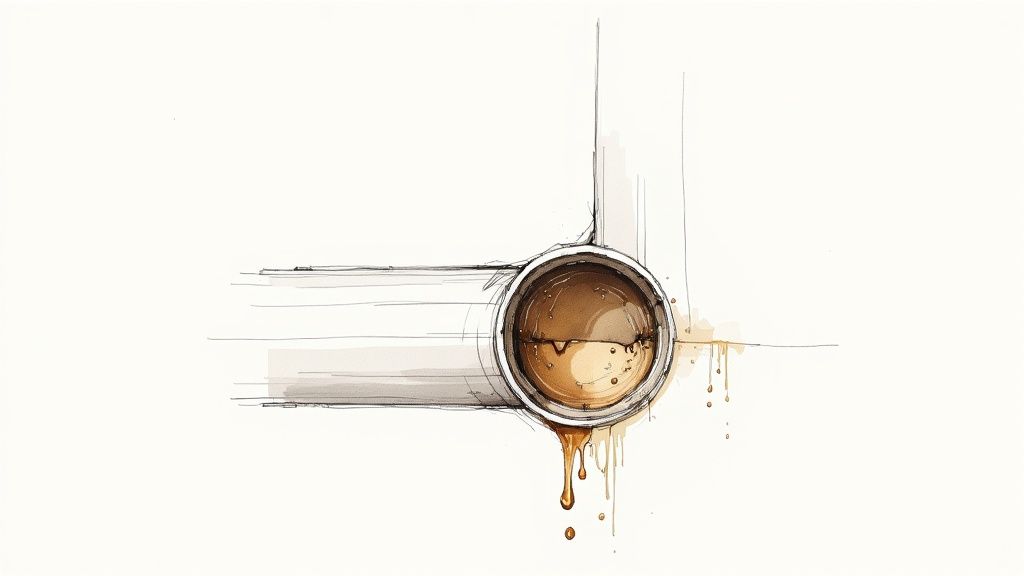
This sticky gunk acts like a magnet for everything else that goes down the sink—food scraps, coffee grounds, hair, you name it. Over time, this nasty combination hardens into dense, almost concrete-like blockages that can bring your entire plumbing system to a grinding halt, leading to messy and expensive repairs.
From Your Kitchen to a City-Wide Problem
The issue gets much bigger once it leaves your home. When enough households pour grease down their drains, the buildup creates massive blockages in the municipal sewer systems. These giant, solid masses of congealed fat, oil, and waste have a seriously unpleasant name: "fatbergs."
A single fatberg can weigh several tons and stretch for hundreds of feet, causing sewer overflows that spill raw sewage into streets and waterways. These events are not just gross; they're serious public health hazards and environmental disasters.
The scale of this problem is exactly why finding a better way to discard used cooking oil is so important. Your kitchen sink is directly connected to a much larger, more fragile system. You can learn more about what fatbergs are and why they matter in our detailed guide.
Choosing responsible disposal methods isn't just about protecting your own pipes. It’s about preventing widespread contamination and costly infrastructure damage for your entire community.
Here's the twist: instead of being a problem, used cooking oil can actually become a valuable resource. Globally, the used cooking oil market reached $6.6 billion in 2023 and is projected to grow as more of it gets converted into biodiesel.
This powerful shift toward sustainable reuse shows that what was once considered waste now holds significant potential as a renewable energy source—as long as we keep it out of our drains.
A Simple Way to Solidify and Toss Used Oil
After you’ve fried up a perfect batch of crispy chicken or golden french fries, the last thing you want to deal with is a messy, complicated cleanup. We all know pouring oil down the drain is a huge no-no, but trying to pour hot, greasy liquid into a container often ends with spills all over the countertop.
Luckily, there's a much cleaner and safer way to handle it that avoids all that hassle. The best solution we recommend is using FryAway.
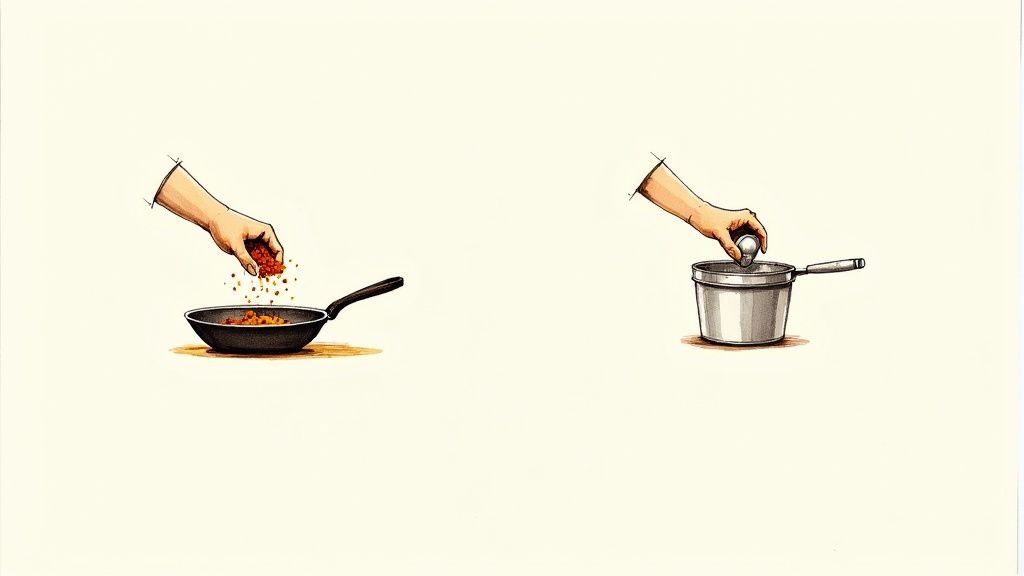
What if you could turn that pan of liquid grease into a solid, scoopable puck that you can lift out and toss right into the trash? That’s exactly what FryAway does. It’s a game-changing, 100% plant-based powder that magically solidifies used cooking oil, making disposal completely effortless.
This simple kitchen hack is easily the best way to get rid of used cooking oil without the mess, the stress, or the risk of a plumbing disaster.
The Three-Step Cleanup Process
Using FryAway is incredibly straightforward. It turns a chore most of us dread into a simple, almost satisfying task. You can forget about wrestling with messy jars or worrying about leaky trash bags because the whole process happens right in your cooking pan.
Here’s all you have to do:
- Sprinkle and Stir: While the cooking oil is still hot, just sprinkle the FryAway powder directly into the pan. Give it a gentle stir until the powder completely dissolves.
- Cool Down: Now, just let the pan sit and cool down completely. As it cools, you’ll see the oil transform into a solid, waxy substance. This can take a few hours, depending on how much oil you used.
- Toss into household trash: Once the oil has fully hardened, grab a spatula and easily scoop the solid puck right out of the pan. From there, you can toss it straight into your household trash bin, knowing it won't leak or make a mess.
This method completely gets rid of the need for containers, funnels, or any of the other awkward tools people usually use for oil disposal. It’s a clean, contained solution from start to finish.
The process is so effective because it tackles the oil right at the source, preventing it from ever becoming a liquid hazard in your trash can or your pipes.
For anyone who loves fried food but hates the cleanup, this is the peace of mind you've been looking for. It’s a small change to your routine that makes a huge difference in keeping your kitchen clean and convenient. You can learn more about how to solidify cooking oil with this mess-free technique.
Finding Local Cooking Oil Recycling Programs
While solidifying oil with a product like FryAway is incredibly convenient for everyday cleanup, recycling is another powerful, eco-friendly option. Instead of landing in a landfill, your used cooking oil can be transformed into valuable products like biodiesel fuel.
Many communities are catching on and now offer dedicated collection programs. The best place to start is with a quick online search for "used cooking oil recycling near me" or by checking your local municipality's waste management website.
These resources often provide a map of drop-off locations, which could be recycling centers or even designated collection bins at fire stations or public works yards. You might also find private companies that partner with local governments to offer collection services.
Preparing Your Oil for Recycling
Before you haul your oil off, a few simple prep steps will ensure it can be properly processed. Most recycling programs have similar ground rules to keep the collected oil clean and usable.
- Cool It Down Completely: This is a big one. Never, ever handle or transport hot oil. Just let it cool in the pan to room temperature before you even think about moving it.
- Filter Out the Gunk: Use a fine-mesh sieve or some cheesecloth to strain out all the crumbs, batter bits, and other food particles. Clean oil is much easier for recyclers to work with.
- Store It Securely: Pour the filtered oil into a sturdy, sealed container. An old plastic jug with a screw-on lid works perfectly. Avoid glass containers—they can break and create a huge mess.
Taking these steps is becoming more important than ever. The global waste oil recycling market was valued at a whopping $37.5 billion in 2021 and is expected to keep growing, showing a major shift toward more sustainable habits.
For more simple and eco-friendly ways for used cooking oil disposal, check out our other guides.
Fried Recipes Worth the Cleanup
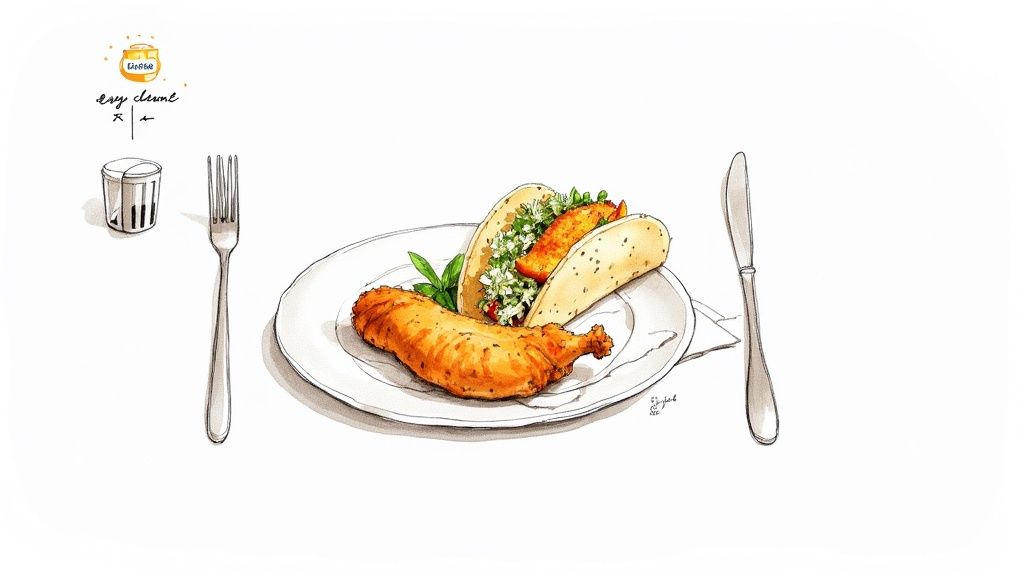
Now that you have a foolproof cleanup plan, there’s really no reason to shy away from making incredible fried foods at home. When you know exactly how to handle the used cooking oil, you can finally focus on the fun part—the cooking.
To get you started, here are two classic fried recipes that are absolutely worth the (now effortless) cleanup.
Crispy Southern-Style Fried Chicken
For that iconic, shatteringly crisp golden-brown crust, you just can't beat a classic Southern-style recipe. The secret is using a good amount of peanut or vegetable oil for a perfect deep-fry. These oils have a high smoke point, which is key for ensuring the chicken cooks all the way through while the outside gets unbelievably crispy and packed with flavor.
After you’ve devoured every last piece, the cleanup is ridiculously simple. While the oil is still hot, just Sprinkle and Stir in the FryAway powder. Let it Cool Down on its own, then you can just Toss the solid puck straight into your household trash. No mess, no stress.
Golden Beer-Battered Fish Tacos
If you’re craving something a little lighter with a flaky crunch, beer-battered fish tacos are always a winner. I like to use a neutral oil like canola or sunflower here, since it really lets the delicate flavor of the fish and the beer batter shine. The result is a perfectly golden, crispy coating that makes for an unforgettable taco night.
And when you're making fried recipes, brushing up on general cooking tips for various ingredients can really elevate your game and make the whole experience smoother.
As you might have guessed, the cleanup is a breeze. Just follow the same simple three-step FryAway process: Sprinkle, Cool, and Toss. This modern solution makes even a messy fish fry cleanup feel completely manageable.
With a simple, effective disposal method on your side, you can confidently tackle any fried recipe you've been craving. It's time to say goodbye to cleanup anxiety and hello to more delicious, crispy meals at home.
Still Have Questions About Cooking Oil Disposal?
Figuring out the best way to get rid of used cooking oil can feel a little tricky, especially when you’re trying to be responsible about it. It's totally normal to have a few questions. Let's clear up some of the most common ones so you can feel confident in your new, safer kitchen routine.
First things first, before you even think about tossing your oil, make sure it's actually past its prime. Sometimes oil is still perfectly fine to reuse, and knowing the difference can save you money. This guide on how to tell if your cooking oil is rancid is a great resource to check out.
Can I Really Just Throw Solidified Oil in the Trash?
Yes, you absolutely can! FryAway is a 100% plant-based product specifically designed to turn liquid cooking oil into solid organic waste.
Once the oil has completely cooled down and hardened into a solid puck, it’s perfectly safe to scoop out and toss directly into your regular household trash bin. This trick completely gets rid of the mess, potential leaks, and plumbing risks that come with trying to throw away liquid oil.
The Easiest Cleanup for Fried Foods
Let's be honest, after you've fried up a batch of crispy chicken or beer-battered fish, the last thing you want is a complicated, greasy cleanup. This is where an oil solidifying powder really shines, making the whole process simple and contained right in your pan.
It's a ridiculously simple process:
- Sprinkle and Stir: Just add the FryAway powder to the hot oil and give it a stir until it dissolves.
- Cool Down: Let the pan sit and cool completely until the oil turns solid.
- Toss into household trash: Scoop the hardened puck of oil out of the pan and throw it away in the trash.
This straightforward approach keeps your pipes clear and your trash can clean. It’s an effective, no-mess solution that takes the headache out of post-frying cleanup for good.
Ready to make your kitchen cleanup a total breeze? See for yourself how FryAway can transform your used cooking oil into a solid, easy-to-toss waste. Visit https://fryaway.co to find the perfect product for your cooking style.